THE REALITIES OF UNETHICAL / BACKYARD BREEDING
(LARGE ANIMAL FOCUS)
At THE ETHICAL LITTER, we believe in shedding light on practices that harm animal welfare. This page explores the stark realities of backyard breeding, exposing the hidden costs behind seemingly convenient transactions. Join us in understanding why responsible breeding matters for the health and happiness of all animals.
Critical analysis of welfare compromise in profit-driven systems
Profit Over Health: The Systemic Welfare Risks
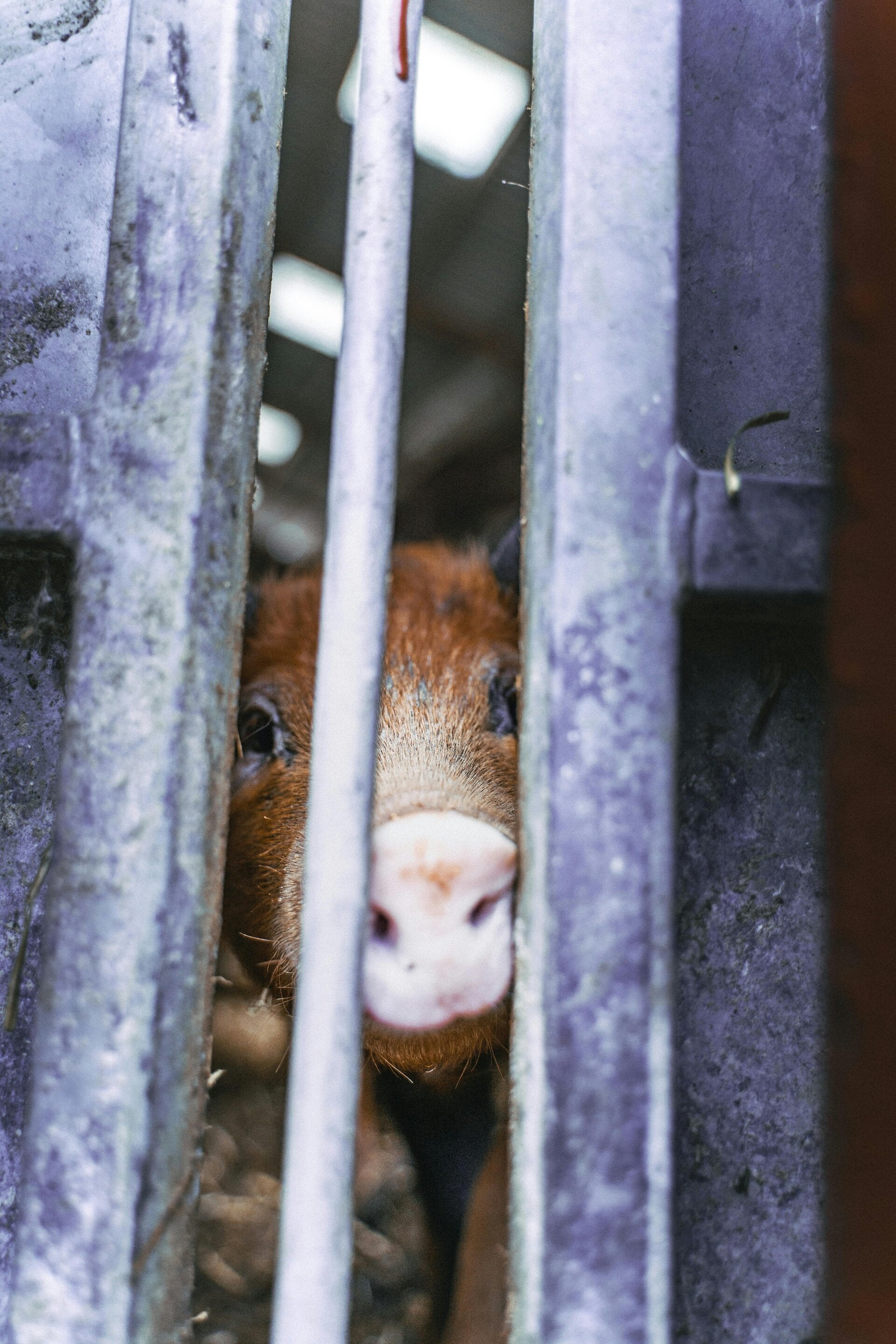
Unethical breeding in large animal systems is frequently driven by economic incentives that prioritize productivity while minimizing investment in animal care, veterinary oversight, and long-term genetic planning. In such systems, the absence of structured breeding protocols and health screening results in the propagation of heritable diseases, structural dysfunction, and reduced physiological resilience. Research by W. M. Rauw and colleagues (1989) demonstrates that even within regulated production systems, selection for high output can lead to undesirable correlated responses, including impaired immune function and increased susceptibility to disease. In unregulated or backyard systems, where no corrective frameworks exist, these risks are amplified and often go entirely unmanaged.
For example, in high-producing Holstein dairy cattle, selection for extreme milk yield has been strongly associated with negative energy balance during early lactation, predisposing animals to ketosis, mastitis, and reduced reproductive efficiency. From a welfare perspective, this represents a chronic challenge to homeostasis, directly compromising the health domain of the Five Domains Model while also negatively influencing mental state through persistent discomfort and physiological stress. Similarly, in swine, selection for rapid growth and lean muscle deposition has been linked to structural leg weakness and porcine stress syndrome, conditions that impair mobility and increase the risk of acute mortality under stress.
In equine breeding, the use of animals with known conformational defects, such as angular limb deformities or poor hoof conformation, results in offspring predisposed to lameness and degenerative joint disease, significantly limiting their functional lifespan. In sheep, selection for increased wool yield without regard for skin conformation has led to excessive skin wrinkling, which increases susceptibility to flystrike, a painful parasitic condition that can cause severe tissue damage and death if untreated.
Collectively, these examples illustrate a fundamental conflict between productivity-driven breeding and biological limits, where the animal’s capacity to cope is exceeded. This represents a systemic failure across the health domain and highlights how unethical breeding practices embed welfare compromise at the genetic level, often before the animal is even born.
Overpopulation and systemic consequences
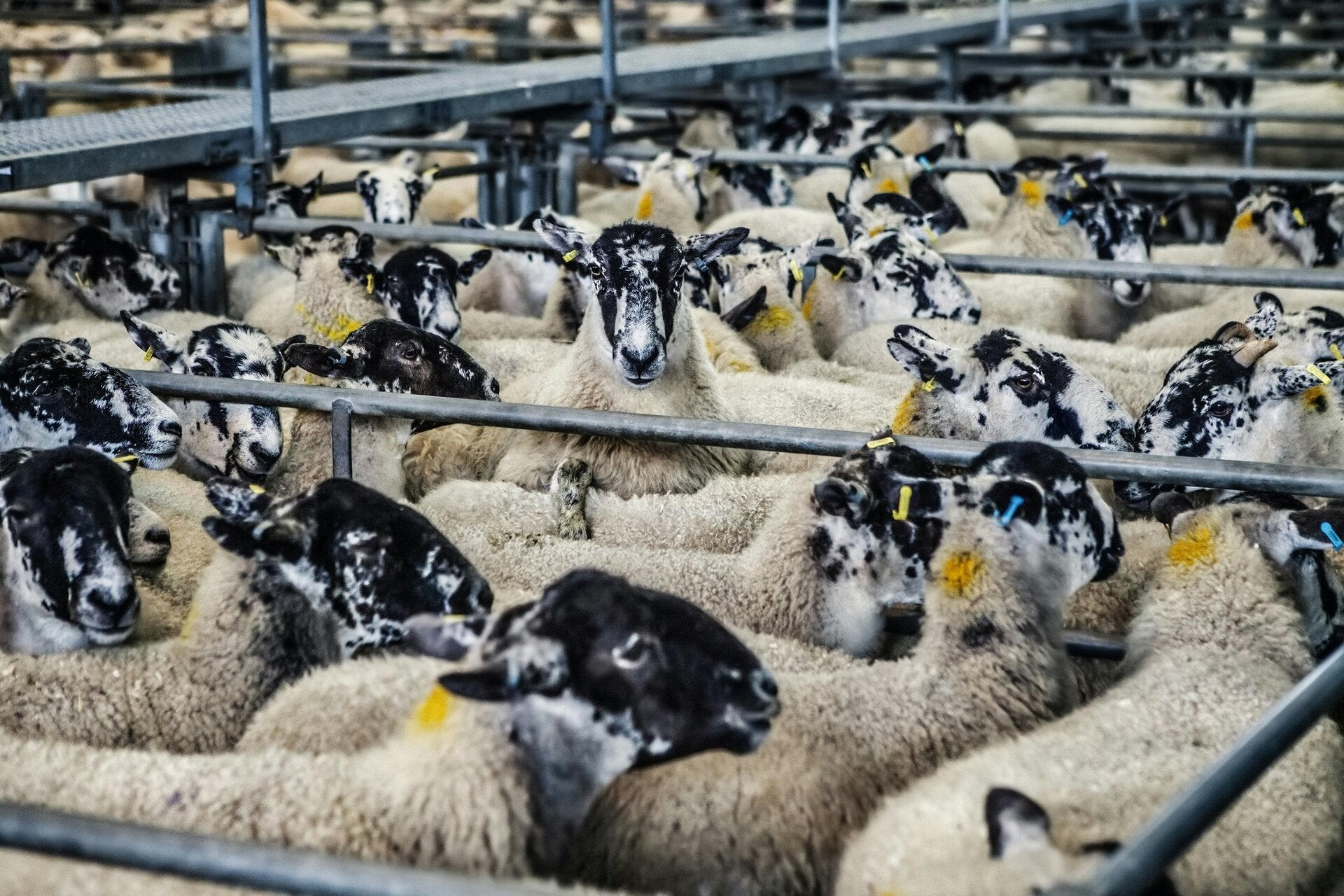
Although overpopulation is often framed as a companion animal issue, it is also a significant and underrecognized problem in large animal industries. In the absence of a lifelong responsibility model, animals are frequently bred without a clear long-term plan for their management, resulting in displacement when they are no longer economically viable.
In the North American equine industry, overbreeding, particularly of low-value horses, has resulted in large numbers of animals entering auction systems, where they are subjected to transport stress, inconsistent handling, and uncertain outcomes, including slaughter. These pathways are associated with elevated stress responses, injury risk, and compromised welfare during transport and handling.
In small ruminants such as goats and sheep, backyard breeding operations often expand herd sizes beyond the owner’s capacity to provide adequate nutrition, parasite control, and veterinary care. This frequently results in chronic undernutrition, high parasite burdens (e.g., Haemonchus contortus infection), and increased juvenile mortality.
Similarly, in small-scale pig breeding, animals are often produced without consideration of adult size or behavioural needs, leading to abandonment or surrender when they become difficult to manage. These animals may enter rescue systems that are already resource-limited, further compounding welfare challenges.
From a welfare systems perspective, this reflects a breakdown across multiple domains, particularly environment (overcrowding, poor housing), health (disease, malnutrition), and mental state (chronic stress, fear). Importantly, this is not simply an issue of individual neglect, but a systemic consequence of irresponsible breeding practices that externalize welfare costs onto communities, rescue organizations, and the animals themselves.

Psychological and behavioural consequences
The psychological impact of unethical breeding is profound and often underestimated. Animals raised in environments characterized by overcrowding, inconsistent handling, and lack of enrichment are at significant risk of developing maladaptive behavioural patterns that persist throughout life.
For example, dairy calves that are separated early from their dams and housed in isolation, particularly in low-welfare systems, often exhibit abnormal oral behaviours such as cross-sucking, as well as heightened fear responses due to limited social development. These behaviours reflect both frustration and an inability to perform natural social interactions, representing a clear disruption of the behavioural expression domain.
In pigs, environments lacking enrichment frequently lead to tail-biting, a harmful behaviour associated with stress, boredom, and frustration. This not only results in physical injury but also reflects a severely compromised mental state, where animals are unable to engage in species-specific exploratory behaviours.
In equine systems, foals raised without appropriate socialization or exposure to humans in a controlled manner may develop heightened reactivity, fear-based responses, or aggression, increasing the risk of injury to both the animal and handler. Similarly, sheep exposed to chronic stress during early handling may develop exaggerated flight responses, leading to increased injury risk during routine management procedures.
From a neurobiological perspective, early-life stress can dysregulate the hypothalamic–pituitary–adrenal (HPA) axis, resulting in long-term alterations in stress responsiveness. This demonstrates that poor early-life environments do not simply cause temporary distress, but can fundamentally alter the animal’s capacity to cope with future challenges.
These outcomes represent a critical failure of the mental state domain of the Five Domains Model and highlight how unethical breeding compromises not only physical health but the animal’s entire lived experience.

Comparative Welfare Breakdown
When directly compared to ethical breeding systems, backyard and unregulated operations demonstrate consistent and measurable deficits across all domains of welfare. Ethical systems are characterized by proactive management, including genetic planning, veterinary oversight, environmental enrichment, and structured socialization protocols. In contrast, unethical systems rely on reactive care, minimal investment, and short-term economic priorities.
For example, an ethical cattle breeding operation will implement controlled breeding strategies, monitor body condition throughout gestation, and maintain routine herd health programs to prevent disease. In contrast, a low-welfare system may allow uncontrolled breeding, provide inconsistent nutrition, and only address health issues once they become clinically severe.
In equine systems, ethical breeders prioritize early handling, hoof care, and social development, producing animals that are behaviorally stable and physically sound. Conversely, foals raised in unregulated environments may receive little to no handling, resulting in increased stress, injury risk, and long-term behavioural challenges.
This contrast highlights a fundamental ethical divide: ethical breeding systems aim to optimize welfare and promote a “life worth living.” In contrast, unethical systems tolerate preventable suffering as an acceptable byproduct of production. This represents not only a biological failure, but a degradation of the human–animal bond, where trust and responsibility are replaced by neglect and exploitation.
THE REALITIES OF BACKYARD BREEDING
(COMPANION ANIMAL FOCUS)

Breeding selection concerns
Proper management of animal breeding is often an issue amongst backyard breeders. Without sufficient space for animals and animal separation, it can be difficult to maintain genetic quality to reduce the risk of inherited disease or inbreeding among animals. Breeders often select to breed animals based on the desired cosmetic or personality traits or breed reputation to meet consumer wants. However, this does not account for the impact that inheritable conditions, genetic diversity, and breed compatibility have on an animal's long-term well-being and overall health.
Purebreds are especially known for inbreeding and a lack of genetic diversity, as it is hard to have an animal remain a purebred when the availability of purebreds for breeding is limited in comparison to mixed animal breeds. This lack of genetic diversity can lead to larger health issues, and many backyard breeders will inbreed to maintain the breed standards. However, poor selective breeding can also be an issue for mixed breeds as well. A backyard may inappropriately breed companion animal breeds to experiment with desirable traits, such as a large dog and a smaller dog, to get a “miniature” version of the larger dog's displayed traits.
This can also be caused by accidental breeding if a breeder does not properly separate unneutered/unspayed animals, leading to inbreeding or inappropriate breeding. This is often caused by a lack of proper spacing needed when breeding animals and choosing profit over health. An animal may also be overbred or bred at an age that is not suited to reproduction because the animal has desired traits or is of “good quality,” ultimately impacting the health of the animal and increasing the chance of complications with the offspring.

Emotional and behavioral issues
Irresponsible breeding practices can lead to behavioral problems in companion animals, especially when they have been exposed to an environment that causes prolonged emotional distress. Companion animals should always be given a proper environment to encourage healthy social behaviors and emotional well-being. This includes breeding animals based on the temperament and genetics of the animals being bred. If the breeder is not being responsible or ethical with the breeding process, the animal's behavior most likely reflects these conditions, displaying abnormal or “undesired” behaviors.
Breeders are responsible for a critical point in an animal's development, so behavioral issues formed at that age are likely to cause the animal to continue to have problems throughout its life, making it harder for the animal to be adopted. Common signs of irresponsible breeder care include an animal displaying anxiety, fear, or aggression. This can come from neglect, incorrect environmental conditions, or improper socialization. Proper socialization is especially problematic in backyard breeding, as it can be affected by many factors, and animals need adequate time with humans and other animals, which isn't always provided in ways that are positive for the animal’s development.
Living conditions: Overcrowding/overpopulation concerns
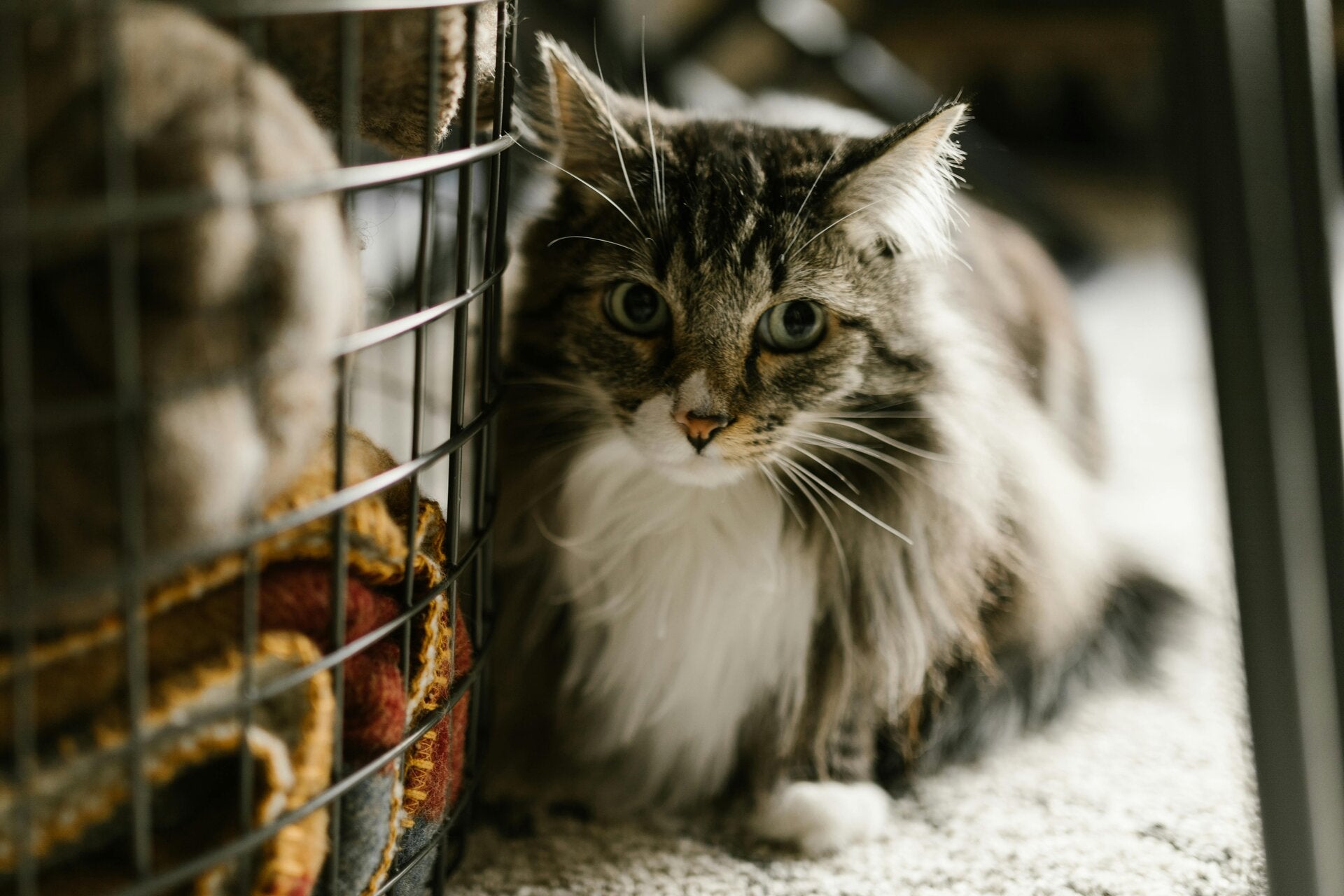
Overcrowding is a significant issue within backyard breeding, and it is one of the main causes of overpopulation within shelters. With so many animals that are unconstitutionally bred, many of them end up on the street, abandoned, and consequently end up in a shelter, causing overcrowding. Overpopulation can also occur at the breeding site, where backyard breeders have too many animals in their possession and not a sufficient amount of space for all the animals to be kept. This often leads to having poor living conditions with not enough space and a lack of proper resources for the animals, and poor hygiene conditions. When backyard breeders primarily care about profit and not the welfare of animals, these conditions can often be observed, reflecting the poor care of the animals. Poor living conditions, such as overcrowding, can only contribute further to accidental breeding, genetic health concerns, not enough resources, and overall poor health. An example of this would be puppy/kitten mills, which promote harmful animal breeding on a large scale, producing animals without concern for animal welfare. Backyard breeders contribute significantly to the animal welfare crisis and are a large part of shelters being overwhelmed with animals and the high rates of animal abandonment. Not only that, but overcrowding often leads to resource and medical strain as shelters taking in animals need to provide care for animals until they can be adopted out. Spaying and neutering animals can help to reduce the amount of overpopulation, but often backyard breeders that prioritize profit will not provide this service before selling the animals, or they won’t have it performed on the animals they are breeding to continue making a profit off the animals.
Fashionable Animal Breeding
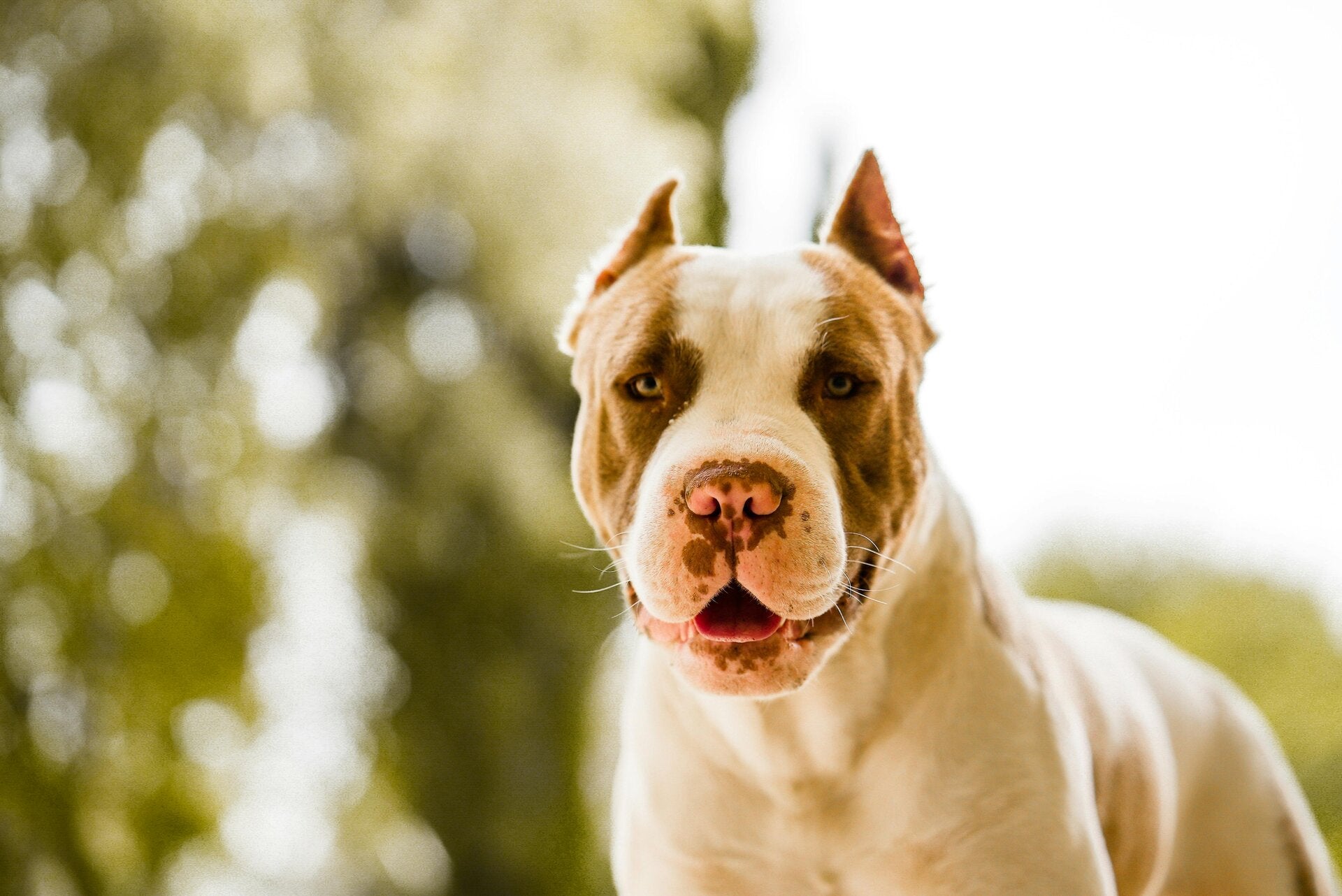
The majority of backyard breeding is based on consumer demand rather than animal welfare and species-specific requirements, alongside genetic testing. Most often, alterations to an animal's appearance, such as tail docking or ear cropping in dogs, are not medically necessary but are done to appeal to consumer preferences or breed standards. As well, in some cases, altering an animal's appearance for aesthetics or convenience over functionality can be harmful to the animal, leading to lifelong trauma or chronic pain, which can cause many issues throughout its life. An example of this could be declawing a cat, which is only done out of owner preference and is not medically necessary, and is often frowned upon. Pugs are also an example of harmful breeding selection because the impacts of selecting for their traits based on appearance have caused respiratory issues that are widespread within the breed, but are still known and selected for such traits. It has become increasingly popular amongst backyard breeders to breed for the selected traits and to alter an animal's appearance because of improper education on medical alteration of animals, or for the amount of profit these “desirable” traits can bring in for these breeders. Purebred breeds are often easier to obtain through backyard breeders because there is a lack of ethically bred purebred animals. And when the health of the animal comes second to profit, the potential health consequences of producing these breeds are not considered by backyard breeders.
Make an informed choice for ethical animal welfare
We hope this page has provided a clear understanding of the realities of backyard breeding and its detrimental effects. THE ETHICAL LITTER, based in Truro, Nova Scotia, Canada, is committed to advocating for better animal welfare. We urge all pet owners, potential breeders, and animal lovers to prioritize the health and well-being of animals above all else. Explore our other pages like Ethical Breeding Practices and Ethical Animal Sourcing for more information.