CHOOSING COMPASSION: ETHICAL ANIMAL SOURCING
(LARGE ANIMAL FOCUS)
Understanding where our beloved companions come from is crucial. On this page, we delve into the world of ethical animal sourcing, guiding you to make informed decisions that prioritize animal welfare and health. Learn to identify responsible practices and recognize the impact your choices have.
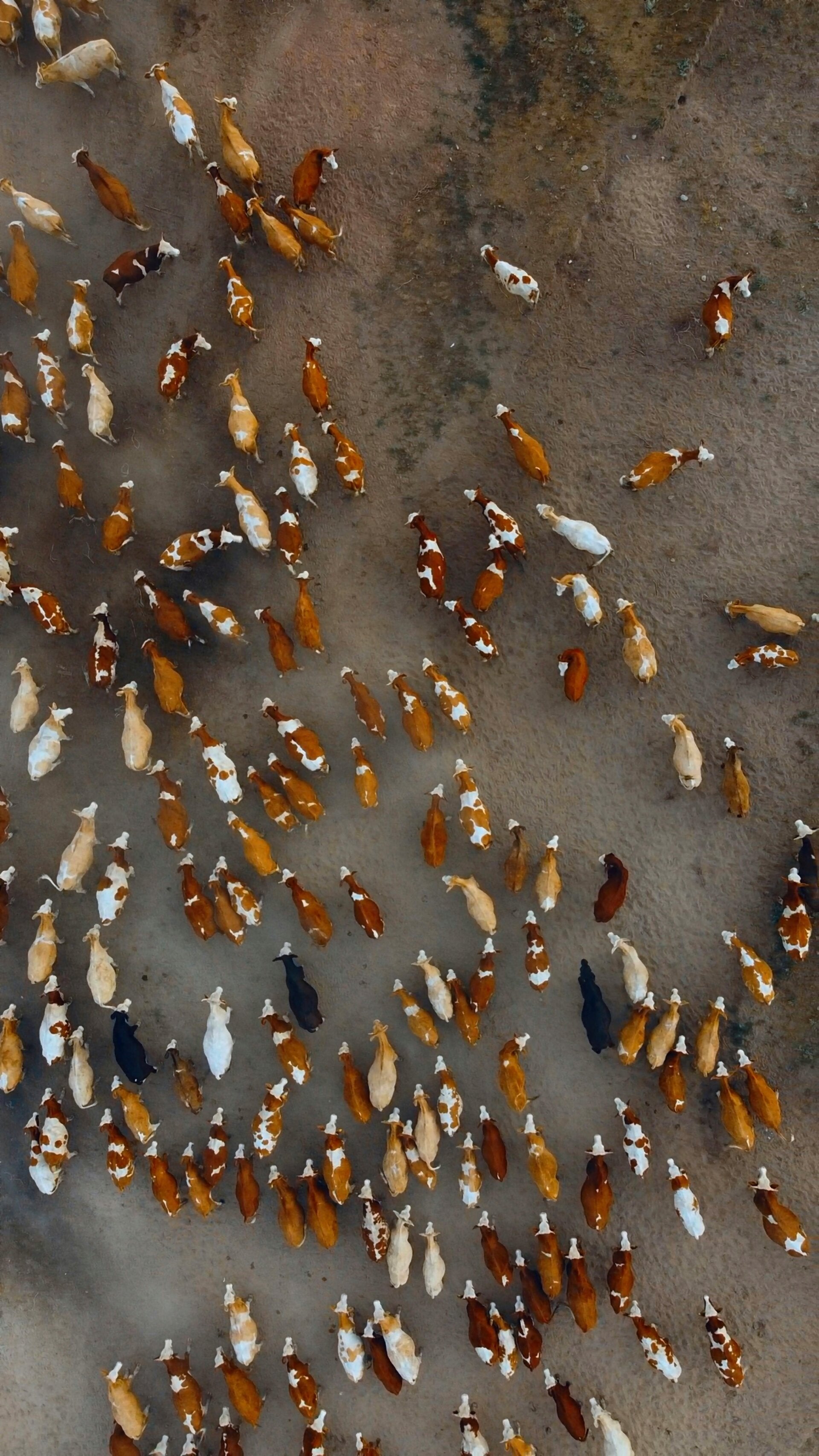
Sourcing Indicators: Evaluating High-Welfare Systems
Ethical sourcing in large animal systems requires a comprehensive evaluation of both the physical environment and the biological condition of the animals. High-welfare breeding operations are characterized by transparency, structured management protocols, and clear evidence of veterinary oversight. Prospective buyers must move beyond superficial appearance and instead assess measurable indicators of welfare that align with scientific frameworks such as the Five Domains Model.
In cattle, this includes evaluation of body condition scoring (BCS), gait and lameness scoring, coat condition, and cleanliness, all of which provide insight into nutritional status, health management, and housing quality. For example, the presence of lameness or uneven weight-bearing is a strong indicator of chronic pain and inadequate hoof care, directly compromising both the health and mental state domains.
In pigs, high-welfare systems provide access to manipulable materials such as straw or enrichment devices, which are essential for allowing natural rooting behavior. The absence of such enrichment is strongly associated with behavioral disorders such as tail-biting, indicating a failure of both the behavioral expression and mental state domains.
In sheep and goats, indicators such as fleece condition, parasite burden (e.g., through FAMACHA scoring), and hoof integrity reflect the quality of ongoing husbandry. In equine systems, calm demeanor, appropriate muscling, proper hoof trimming, and access to pasture-based environments demonstrate alignment with species-specific welfare needs as outlined by the National Farm Animal Care Council.
Collectively, these indicators allow buyers to assess whether animals are being maintained in conditions that support not only survival, but positive welfare states.

The Responsible Breeder Checklist
To translate welfare science into practice, the following checklist can be used by prospective buyers to evaluate whether a large animal breeder meets ethical and welfare-centred standards. A responsible breeder should meet the majority, if not all, of the following criteria:
Health & Genetic Responsibility
☐ Provides documented health records for breeding animals and offspring
☐ Conducts genetic screening for heritable diseases (e.g., HYPP, PSSM in horses; scrapie resistance in sheep)
☐ Avoids breeding animals with known genetic defects or poor conformation
☐ Selects for functional traits such as soundness, fertility, and longevity over extreme production traits
☐ Maintains genetic diversity and avoids excessive inbreeding
Welfare & Living Conditions
☐ Animals are housed in clean, safe, and well-maintained environments
☐ Animals have access to adequate space, shelter, and clean water
☐ Housing allows for natural behaviours (grazing, movement, social interaction)
☐ Animals are kept in appropriate social groupings
☐ Overall body condition, coat quality, and behaviour indicate good welfare status
Breeding Management Practices
☐ Breeding frequency is appropriate (no overbreeding of females)
☐ Breeding animals are of appropriate age and physical condition
☐ Pregnancy, birthing, and neonatal care are monitored
☐ Structured reproductive management is evident (e.g., calving/foaling intervals documented)
☐ Breeding decisions prioritize welfare and long-term health rather than short-term productivity
Veterinary Oversight & Transparency
☐ Maintains a valid veterinary-client-patient relationship (VCPR)
☐ Follows routine vaccination and parasite control programs
☐ Provides clear documentation of herd/flock health management
☐ Willingly answers questions and allows facility visits (or virtual transparency)
☐ Does not rely solely on verbal assurances without evidence
Lifelong Responsibility & Ethics
☐ Provides guidance on animal care, nutrition, and management
☐ Ensures animals are placed in appropriate environments
☐ Offers post-sale support or follow-up
☐ Has a return or rehoming policy if the animal cannot be kept
☐ Demonstrates responsibility for the animal beyond the point of sale
Key Red Flags (Indicators of Unethical Breeding)
☐ No health records or genetic testing available
☐ Poor environmental conditions (overcrowding, unsanitary housing)
☐ Signs of chronic stress, fear, or maladaptive behaviour
☐ Limited opportunity for natural behaviours or enrichment
☐ Reluctance to provide information or allow evaluation of animals/facilities

Behavioural Red Flags
Behavioural assessment provides critical insight into the animal’s early-life experiences and overall welfare status. Animals that exhibit abnormal or maladaptive behaviours often reflect environments that have failed to meet their psychological and behavioural needs.
In cattle, excessive flight distance, agitation during handling, or reluctance to move through handling systems may indicate chronic stress or poor human interaction. In pigs, persistent vocalization, aggression, or physical signs such as tail lesions are indicative of overcrowding, stress, and inadequate enrichment. In horses, behavioural red flags include head-shyness, avoidance of human contact, heightened reactivity, or stereotypic behaviours such as cribbing or weaving, all of which are strongly associated with chronic stress and environmental deprivation. In goats and sheep, abnormal aggression or extreme fear responses may reflect inconsistent handling or inadequate early socialization.
From a welfare perspective, these behaviours represent clear disruptions to the mental state domain of the Five Domains Model and should be considered non-negotiable warning signs. Importantly, behavioural dysfunction not only compromises welfare but also increases safety risks and reduces the animal’s ability to integrate successfully into managed systems.
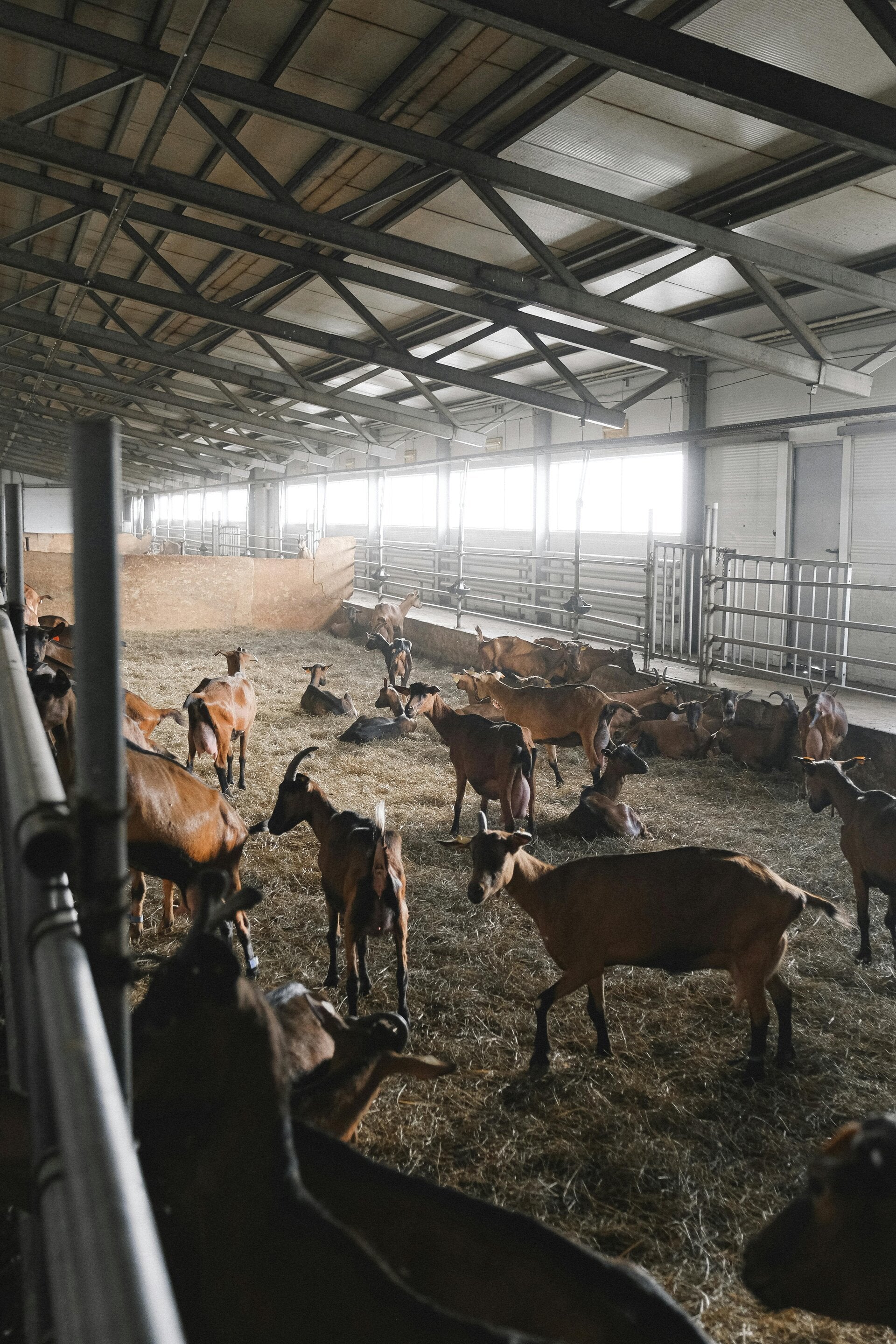
The Buyer's Impact
Consumer decision-making functions as a selective pressure within breeding systems, actively reinforcing either high- or low-welfare practices through economic demand. By actively selecting animals from ethical, welfare-centred breeders, buyers reinforce industry standards that prioritize health, behavioural stability, and long-term responsibility.
For example, purchasing dairy cattle from operations that emphasize longevity, fertility, and disease resistance supports breeding programs that reduce metabolic stress and improve lifetime welfare. Similarly, selecting sheep breeders that prioritize parasite resistance contributes to reduced reliance on anthelmintics and improved flock health.
Conversely, purchasing animals from low-welfare systems perpetuates cycles of overproduction, poor health, and preventable suffering. From a welfare perspective, ethical sourcing represents a form of applied advocacy, where informed decision-making directly contributes to improved outcomes across all Five Domains.
These welfare outcomes are not isolated to sourcing decisions alone, but are directly shaped by breeding practices (Tab 1–2) and extended through environmental and systemic impacts (Tab 4), reinforcing that animal welfare operates as an interconnected system rather than discrete issues.
CHOOSING COMPASSION: ETHICAL ANIMAL SOURCING
(COMPANION ANIMAL FOCUS)

Ethical adoption: Companion animal sourcing
One of the best ways to ethically source a companion animal is by going to a local shelter and choosing an animal to adopt. Making sure beforehand that you are aware of your boundaries and the level of care an animal might need to be provided is key to selecting an animal from a shelter. The SPCA strongly encourages adopting animals from a shelter or getting an animal from a pet store that partners with shelters to supply their available animals. Life history for the animal may be missing if coming from a shelter, but the shelter should provide all information on the animal they have and ensure the animal has its basic medical requirements. Getting an animal from a shelter is the best way to ensure that a companion animal is ethically sourced, and it helps to reduce the overcrowding shelters face.
If getting a companion animal from a shelter is not possible or a specific breed of animal is water there are other ways to ethically source an animal, which requires owner research and education. When choosing a specific breed, ensure extensive research on the breed has been done beforehand to see if that breed is prone to any genetic diseases because of its genetics, its species-specific requirements, and if the breed would be a good fit. After researching the breed itself, it's also important to look into breeders. A good and reputable breeder should use practices that align with the five freedoms of animal care and should give the full health records of the animal they are adopting out. A breeder should also provide the life history and any behavioral concerns the animal may have regarding the animal to ensure the potential owner is a good fit for the animal. Comparing breeders can be the most efficient way to select a reputable breeder. Depending on the location, a breeder may have a certificate or license for animal breeding that abides by their local law regulation.
“Companion animal providers who follow evidence-based best practices will protect the welfare of their animals and increase the chances that potential guardians will be satisfied with the animal they acquire” (BCSPCA, 2026)

Responsibly animal sourcing: Owners' checklist
Finding a breeder:
- Does the breeder abide by local regulations?
- Does animal care align with the five domains of animal care?
- Compare breeders and their reputation.
- Breeder transparency when adopting an animal.
- Provides animal life and health history.
- What vet does the breeder work with?
Animal welfare:
- Look for whether the animal appears to be well cared for.
- Ask about the animal's nutrition.
- Get the animal's medical history.
- Observe behaviour and signs for good socialization.
- Observe the living conditions.
- Meet the animal beforehand and see its body conditions.
- Potential genetic conditions?
Personal obligation:
- Researching breeds
- Do you have the space to meet these animals' environmental needs?
- Compare the best feed options.
- Have a vet lined up to consult.
- Are you committed to caring for this animal for its entire life?
- Set up a training and care plan.
- ADOPTING, not just shopping.
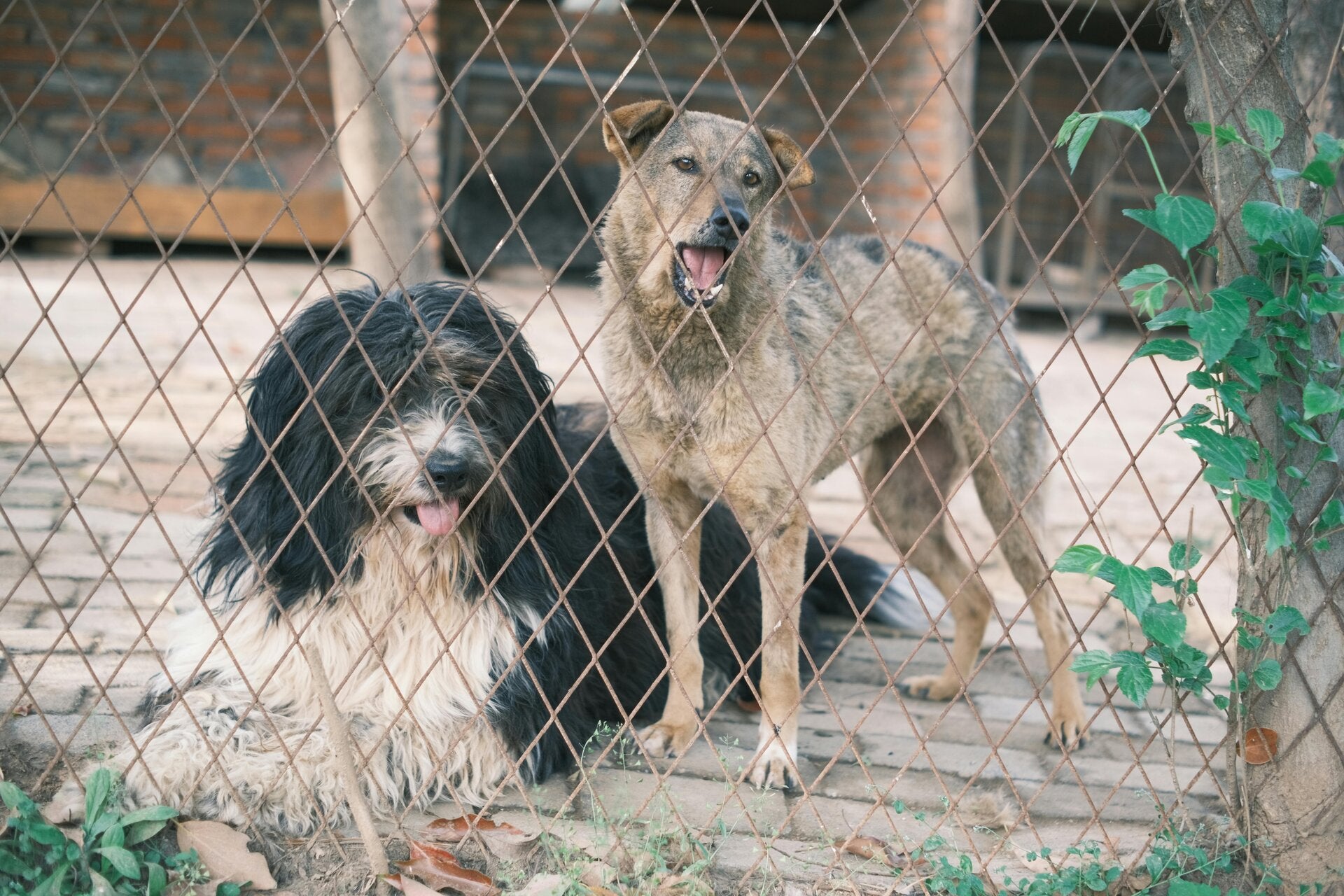
Breeder red flags: what to look for when adopting
Some common breeder red flags could be.
- Poor communication
- Not providing animal history
- Evasive or unresponsive about animal health
- Defensive or dismissive
- No veterinary records
- Secretive about the facility
- Not transparents
- Lack of reviews or certification
- Demanding/pushy about payment
- Won't show the animal parents / the animals being bred
- Unhygienic or poor living conditions
- No formal contracts regarding adoption
- Doesn't ask questions about the family adopting animals
- Offering multiple breeds and breed mixes

Reporting backyard breeders
When you suspect unregulated animal breeding, aka a “backyard breeder,” it is important to report it so that the animals can be seized if needed and ensure animal welfare. Reporting cases of unethical animal breeding can help protect animal health and make sure that an investigation is done on the breeder. If you're unsure as to when/ if to report, it is important to check local laws and regulations on animal breeding. Unethical breeding can result in animal cruelty and abuse, as the animal's health is often sacrificed due to breeder negligence.
“According to the Provincial Animal Welfare Services Act (2019), no welfare inspector, veterinarian, member of the Board or person acting in accordance with section 34 is personally liable for any act done in good faith…” (CVMA, 2026)
Resource with guidelines for reporting breeders:
Your impact: Driving ethical change
Every decision you make when sourcing an animal has a ripple effect. By choosing ethical breeders and high-welfare systems, you directly support responsible practices and help diminish the demand for unethical breeding operations. Your conscious choice contributes to a better world for animals.