UNVEILING THE TRUTH: CASE STUDIES IN BREED-SPECIFIC WELFARE
(LARGE ANIMAL FOCUS)
Delve into our comprehensive case studies, exposing the welfare issues faced by specific animal breeds due to selective breeding. At THE ETHICAL LITTER, we believe understanding these challenges is the first step towards creating a more humane future for animals.

Craniofacial Alterations in Arabian Horses
Selective breeding for aesthetic traits can result in significant anatomical and physiological compromise. In Arabian horses, breeding for exaggerated concave facial profiles (“dished faces”) has raised concerns regarding potential impacts on respiratory function and dental alignment. Studies such as those by Goodarzi et al. (2021) and Pompermayer et al. (2023) demonstrate that variations in skull morphology can influence sinus structure, airway dimensions, and surgical accessibility, highlighting the biological consequences of aesthetic selection. From a welfare perspective, any alteration that compromises respiratory efficiency directly impacts the health domain, while chronic breathing difficulty can negatively affect the mental state through discomfort and stress. This raises important ethical questions regarding the prioritization of aesthetic traits over functional anatomy.
Skeletal Integrity and Mobility in Livestock
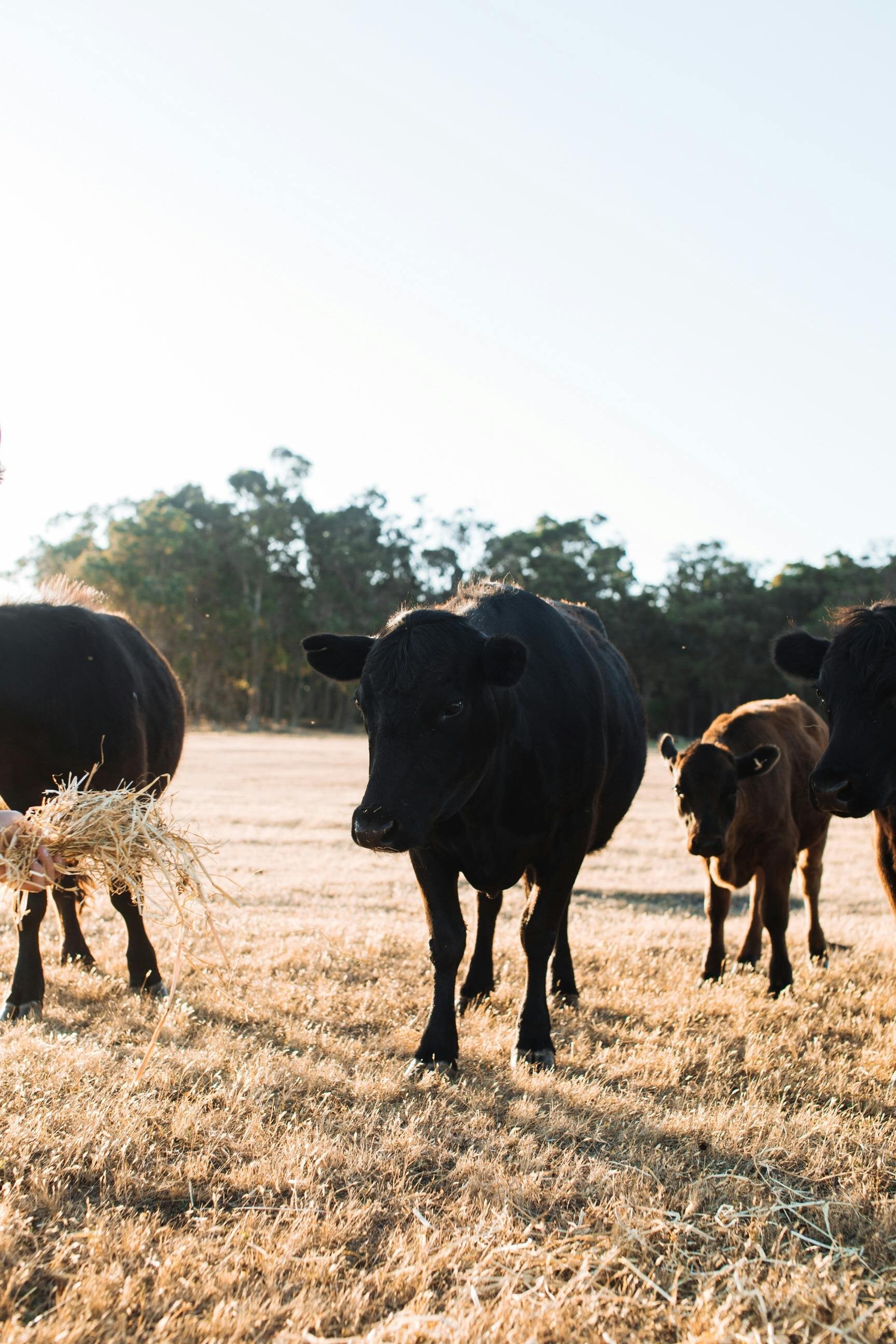
Selective breeding has also significantly impacted musculoskeletal health in production animals. In dairy cattle, selection for high milk yield has been associated with increased incidence of lameness, often linked to structural weakness and metabolic stress. In pigs, rapid growth and increased muscle mass can outpace skeletal development, resulting in leg disorders that impair mobility and increase the risk of injury. In sheep, selection for rapid growth or high body mass can place additional strain on joints and hooves, particularly in intensive systems. These conditions represent a direct compromise of the health domain and limit the animal’s ability to perform natural behaviours, thereby also impacting the behavioural expression domain. This highlights the importance of selecting for structural soundness and functional fitness rather than maximum productivity.

Neurological and Physiological Trade-Offs
Selective breeding can also lead to less visible but equally significant internal dysfunctions. Research by W. M. Rauw emphasizes that selection for production traits can result in physiological trade-offs, where resources are diverted away from immune function and stress resilience. In poultry (as a comparative example), rapid growth rates have been linked to cardiovascular issues and skeletal disorders, illustrating how extreme selection pressures can exceed biological limits. While not the primary focus of large animal breeding here, this principle is directly transferable to cattle, pigs, and other livestock species. From a welfare perspective, these trade-offs compromise both health and mental state, as animals experience increased disease susceptibility and reduced capacity to cope with environmental challenges.

Path Forward: Genetic Rescue and Ethical Breeding
Addressing breed-specific welfare issues requires a shift toward genetic diversity and functional selection. Outcrossing programs and genetic rescue initiatives aim to reintroduce variability and reduce the prevalence of inherited disorders. For example, breeding programs that prioritize parasite resistance in sheep or metabolic stability in dairy cattle demonstrate how selection can be redirected toward traits that improve welfare outcomes. In equine systems, there is increasing recognition of the need to balance breed standards with functional anatomy to prevent long-term health compromise. This approach reflects an evolution in breeding philosophy, where success is measured not by extreme traits or maximum output, but by the ability to produce animals that are healthy, resilient, and capable of experiencing a positive quality of life.
CASE STUDIES IN BREED-SPECIFIC WELFARE (COMPANION ANIMAL FOCUS)
This is where our journey begins. Get to know our business and what we do, and how we're committed to quality and great service. Join us as we grow and succeed together. We're glad you're here to be a part of our story.

Evolution of pugs respiratory systems
The nasal cavities of pugs have evolved to be more condensed, resulting in a desirable short or scrunched-like face that humans have chosen to prefer. Compared to normal domesticated dogs, the nasal passage of a pug is more condensed and tilted upwards, whereas a normal dog's airways would be straighter, as the shape of a longer snout allows for clearer airways. Both pugs and French hound dogs breeds are what's considered extremely brachycephalic dogs, which are categorized based on their flat faces and shorter skulls. When pugs were originally domesticated, they had longer muzzles and clearer airways, but based on aesthetic demands, pugs were bred for the shorter skull and flat face traits to meet consumer preferences. One of the more common diseases seen within pugs due to their flat face is turbinate hypertrophy, which is caused by the shortening of the skull but not the shortening of the turbinates', leaving it anatomically unbalanced. The breeding of pugs is now highly debated and not ethical, based on the obvious and unavoidable respiratory issues it will have throughout its life due to its morphology.
Unethical practices: Cat declawing
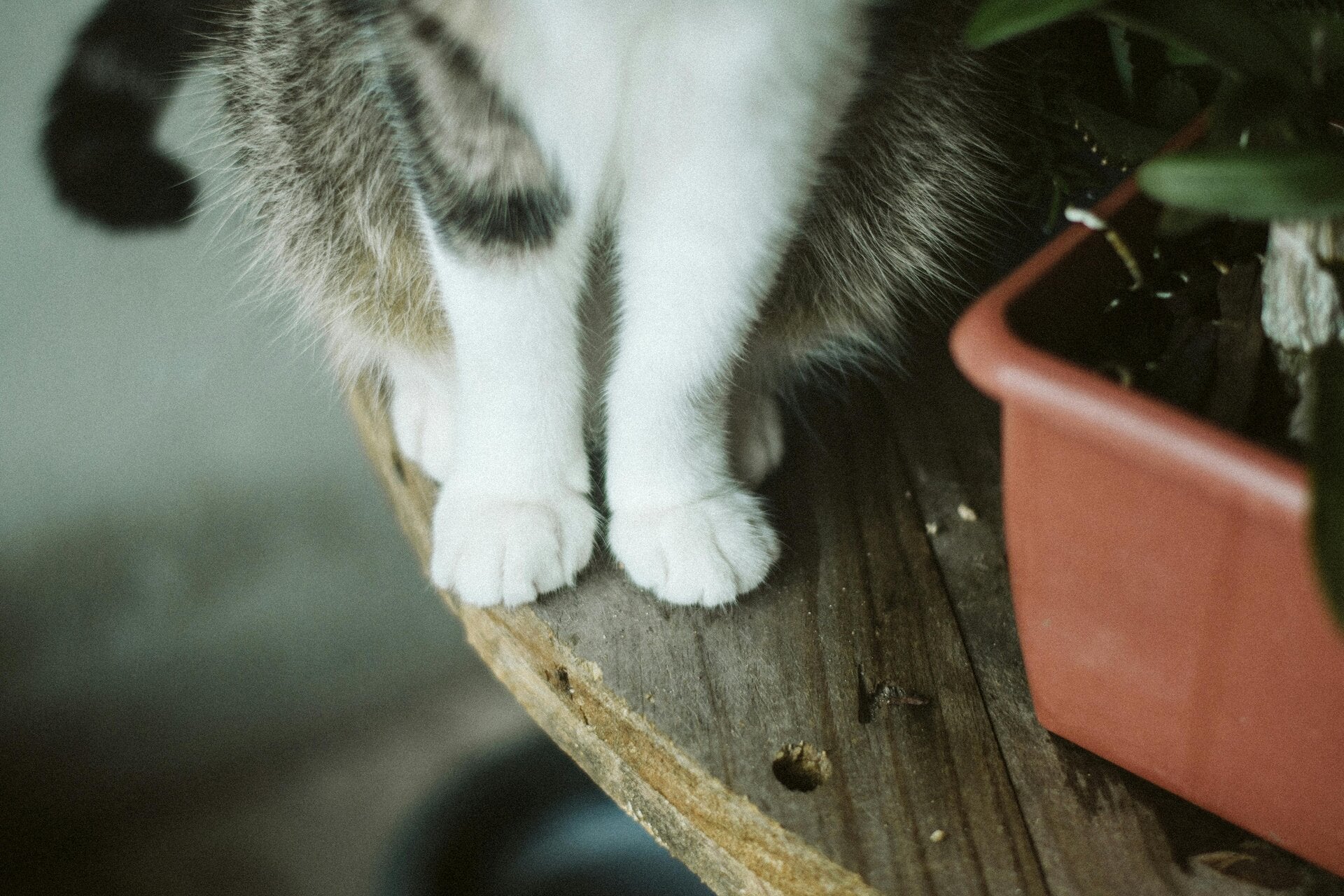
The process of cat declawing includes the removal of the last bone of every toe to remove the claw and prevent further growth. This is a highly painful procedure for the animal and is frowned upon in most places. Owners or breeders may choose this unethical practice out of “convenience “ for a variety of reasons without considering the welfare of the animal. Cat declawing has been shown to increase the risk of the cats developing undesired behaviors such as biting and general aggression. It also increases the risk of the animal developing chronic pain, making the paws more sensitive and causing back pain as a result of the cat having to change the way it moves. Using an “optimal” form of surgery for cat declawing does not lower the risk of the cat developing pain or aggressive behaviors, and the only avoidable way is not to have the procedure done. If a backyard breeder has the procedure performed, it is likely to be done improperly and not under the care of a veterinary professional, increasing the risk of complications and chronic issues developing.

Cosmetic Dog Breeding: Doberman ear cropping and tail docking.
Ear cropping involves the surgical removal of the ear flap, leaving behind a more pointed and standing-up ear shape. Tail docking is a similar procedure where the tail of a dog is cropped at a specific point, often for aesthetic purposes rather than functionality. Dobermans, especially, are known for being subjected to both of these procedures on a routine basis to maintain their standard breed “reputation” with the intent of making them more intimidating and sharp-looking. While highly controversial, many breeders and owners continue to have this procedure done on a routine basis for the overall look of the animal. Medical alterations to an animal's appearance should always be out of medical necessity to be ethical, and it is not recommended for cosmetic purposes, as it can lead to an increased chance of further complications and chronic pain that can impact the animal's overall health and well-being
The path forward: Genetic rescue and ethical breeding
After exploring these critical case studies, the most important takeaway is that the way forward is not to continue to breed for these detrimental traits. We must champion genetic rescue efforts and commit to truly ethical breeding practices that prioritize the health and welfare of animals above all else. This approach is essential for the future of animal welfare.
Inspired to make a difference? Learn more about ethical breeding practices, share this vital information with others, and support initiatives dedicated to improving animal welfare. Visit our Ethical Breeding Practices page or explore our Resources and References for further reading.