THE PAW PRINT ON OUR PLANET: ENVIRONMENTAL IMPACTS OF BREEDING
(LARGE ANIMAL FOCUS)
Delve into the often-overlooked environmental consequences of animal breeding. Discover how every new litter can have a ripple effect on our shared world, from resource consumption to waste management challenges. Learn about the crucial connections between breeding practices and ecological health, and explore pathways toward a more sustainable future for all.

Overcrowding and Waste Management
Unethical breeding systems often operate at high densities without adequate infrastructure, resulting in significant environmental and welfare challenges. Overcrowding not only compromises animal welfare but also creates conditions that facilitate the accumulation of biological waste, increasing disease risk and environmental contamination.
In intensive swine operations, high stocking densities can lead to rapid manure accumulation and elevated ammonia levels, negatively impacting respiratory health and increasing disease susceptibility. In cattle feedlots, inadequate drainage can result in persistent mud contaminated with manure, contributing to hoof diseases such as digital dermatitis and foot rot. In equine facilities, poor manure management can degrade pasture quality, increase parasite transmission, and expose animals to unsanitary conditions that compromise both health and comfort.
These conditions directly violate the health and environment domains of the Five Domains Model, demonstrating how environmental mismanagement translates into measurable welfare deficits.
Resource Access and Depletion
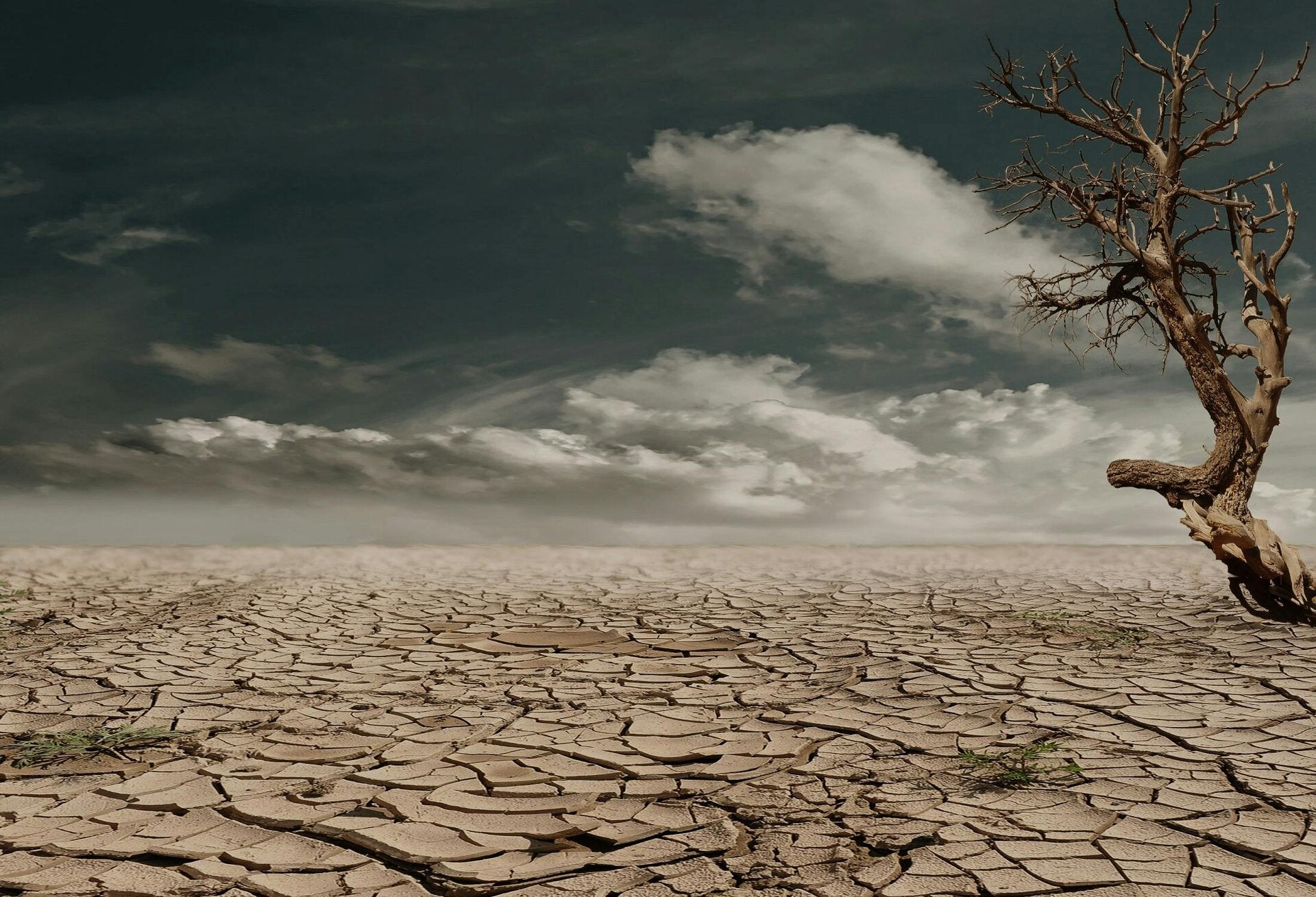
The sustainability of breeding systems is closely linked to the responsible allocation of resources. Unregulated or poorly managed breeding operations often strain essential resources, including clean water, high-quality feed, and access to veterinary care, particularly when animal numbers exceed the system’s carrying capacity.
For example, in drought-prone regions, overstocking of cattle or sheep can lead to overgrazing, resulting in reduced forage availability, soil degradation, and chronic undernutrition. In backyard goat operations, limited access to veterinary care frequently results in untreated parasitic infections, leading to anemia, weight loss, and mortality.
These scenarios highlight a direct violation of the nutrition and health domains, while also reflecting broader One Health concerns, where animal welfare, environmental sustainability, and human resource use are interconnected. These outcomes demonstrate that environmental degradation within breeding systems is not an isolated issue, but a direct consequence of management and reproductive decisions that exceed the system’s ecological carrying capacity.

The Shelter System as an Environmental Sink
The animal shelter system, while vital, often functions as an environmental sink, absorbing the negative impacts of irresponsible breeding. When animals are bred without adequate planning or demand, many inevitably end up in shelters, creating an enormous demand for resources. Shelters require significant amounts of food, water, heating, cooling, and cleaning supplies, all of which have an environmental cost. The energy and waste generated by these facilities, often operating at or beyond capacity, further exacerbate environmental issues. Reducing the number of animals entering shelters through responsible breeding and widespread adoption would alleviate this pressure, turning shelters into more sustainable havens rather than environmental burdens.
In large animal systems, the consequences of irresponsible breeding are often absorbed by rescue organizations, auctions, and secondary markets. These systems function as environmental and ethical “sinks,” managing the overflow of animals produced without long-term planning.
In the equine industry, rescue facilities frequently receive horses with chronic lameness, malnutrition, or behavioural issues resulting from poor breeding and management practices. Similarly, small-scale pig rescues have reported increased intake of pot-bellied pigs bred without consideration for adult size or care requirements, leading to abandonment.
This redistribution of animals places a significant financial and logistical strain on community resources, diverting support away from preventive and sustainable initiatives. From a systems perspective, this represents a failure of responsible breeding practices and highlights the need for upstream solutions.
Environmental impact of backyard breeding (COMPANION ANIMAL FOCUS)
This is where our journey begins. Get to know our business and what we do, and how we're committed to quality and great service. Join us as we grow and succeed together. We're glad you're here to be a part of our story.

Overpopulation
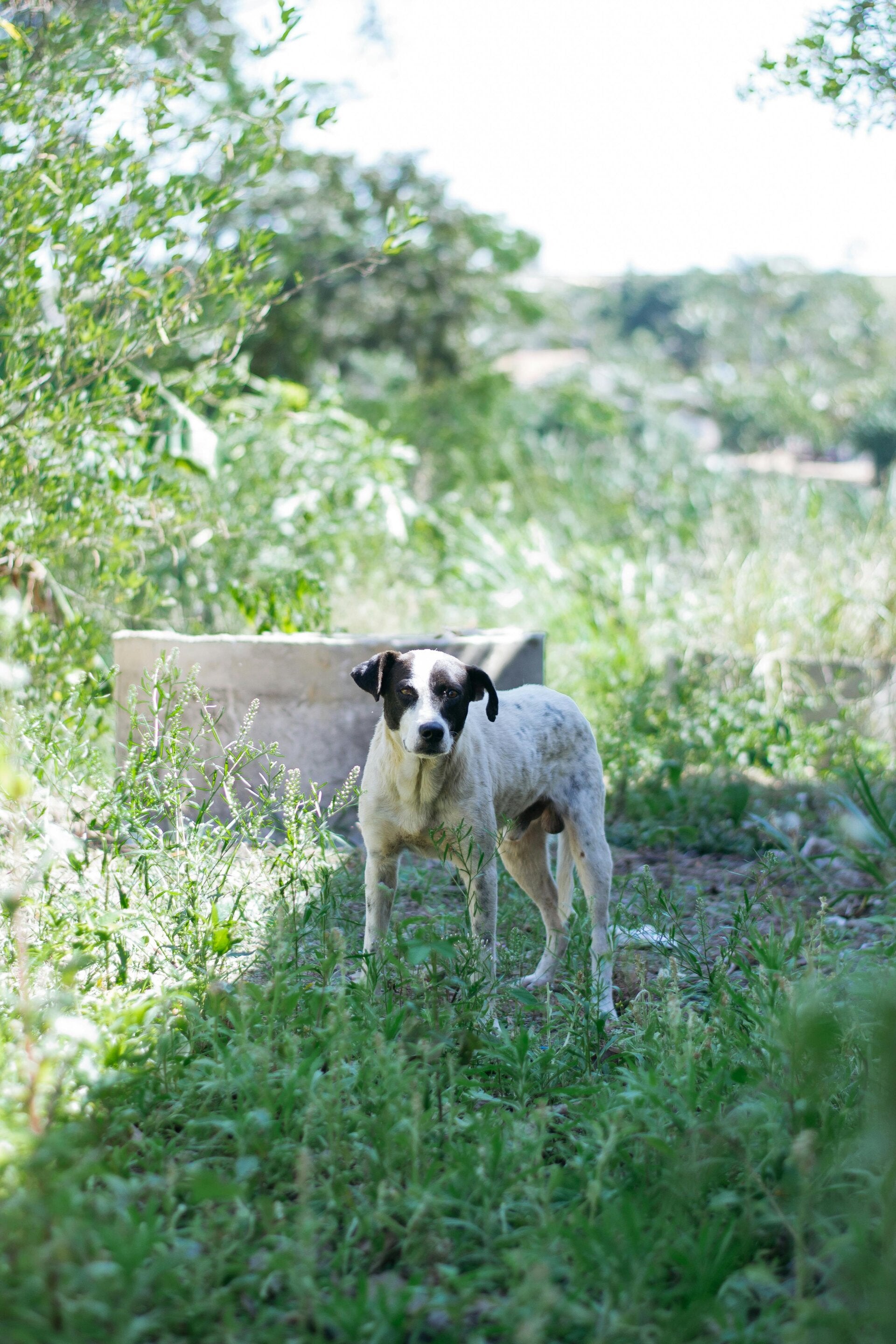
Many backyard breeders will have overcrowded living conditions for the animals they create, and do not screen potential owners before adopting out animals to people. This problem can lead to a higher rate of animal abandonment. Animal abandonment can have more of an impact than just on animal welfare alone. Animal abandonment can introduce more of a species that is typically not found in nature to natural ecosystems and disrupt the balance of the impacted ecosystem. This could also invite the opportunity for an invasive animal to thrive outside its normal ecosystem, which can greatly change an ecosystem. Animals that are abandoned may resort to hunting the natural wildlife in an area, and can impact other wildlife populations. Backyard breeders contribute largely to the animal overpopulation crisis. It's also more likely that these animals that are released in the environment have genetic conditions and are not well-suited to survive in the wild, even more so than other domesticated animals. This contributes to shelters or rescues being overwhelmed and burnt out due to the number of animals taken in.
Resource consumption
Animal overpopulations and backyard breeding can also contribute to unsustainable resource consumption. It takes substantial amounts of food and water for a breeder to be able to care for an animal, and as backyard breeders become more popularized, it can start to take a toll on the resources necessary for all living things to survive. Backyard breeders also contribute to the animal overpopulation crisis, as stated earlier, and this can overwhelm both shelter and medical resources, leading to animal care burnout and a lack of resources. Many shelters operate based on donations, and when animals need to be taken in as a result of animal abandonment or animals have to be removed from the care of a breeder, it can cause a shelter to be overwhelmed and deplete its resources quickly. Not only that, but veterinarians are often required for animals that were surrendered due to the animal's health condition. This can exhaust veterinary medical resources, and the needs of the animal may not even be met. This overconsumption of resources often results in many animals having to be put down because they may require more care than a shelter or rescue can offer due to the limited amount of resources.

Lack of disease management
Backyard breeders usually don't breed animals with the oversight of a veterinarian to ensure proper management of diseases and any health concerns. A well cared for animal would have all the required and recommended vaccinations to manage the spread of disease. Animals under proper care also have a managed environment, proper nutrition, and good living conditions. The overcrowding caused by backyard breeding can lead to a more unhygienic environment with higher risks of disease. If an animal living in these conditions interacts with humans, wildlife, or ends up out in the wild they risk of disease transmission becomes higher, impacting other susceptible organisms. The transmission of pathogens can have a detrimental ecological impact, and wild populations could be negatively impacted if exposed to their pathogen. Unlike companion animals that are domesticated, there isn't a standard disease management for wildlife, and the spread of a disease could continue to impact their environment more than it would impact domesticated animals. It can also raise concerns about incorporating genetic diseases and impact genetic diversity if a disease lowers a population's numbers or causes chronic conditions that can be passed down. There is also fr the opportunity for zoonotic diseases such as rabies to be brought into shelters if abandoned animals pick it up and are then surrendered to a shelter, impacting animal and human health in the process.
Eco-Ethical Solutions for a Healthier Planet
Addressing the environmental impacts of animal breeding requires a multi-faceted approach. Promoting ethical breeding practices that prioritize animal welfare and ecological sustainability is paramount. This includes responsible pet ownership, advocating for spaying and neutering programs to control pet overpopulation, and supporting reputable breeders who adhere to high standards. Furthermore, encouraging adoption from shelters and rescue organizations directly reduces the strain on these facilities and minimizes the demand for newly bred animals. Educating the public about the environmental footprint of breeding and consumption habits is also crucial. By collectively embracing these eco-ethical solutions, we can strive for a future where animal breeding harmonizes with our planet's health, rather than harming it.

Eco-Ethical Solutions
Sustainable breeding practices integrate animal welfare with environmental stewardship, emphasizing quality over quantity. Ethical breeding systems prioritize genetic health, reduce overproduction, and align animal numbers with available resources, thereby minimizing environmental impact.
For example, selective breeding for parasite resistance in sheep reduces reliance on chemical treatments, benefiting both animal health and environmental quality. In cattle, selection for feed efficiency and resilience, rather than maximum production, can reduce resource consumption while improving longevity and overall welfare.
These approaches demonstrate that ethical breeding is not only a moral obligation but also a practical strategy for achieving long-term sustainability within animal production systems. Ultimately, this reinforces that environmental sustainability and animal welfare are not competing priorities, but inherently linked outcomes of responsible breeding systems.