ETHICAL BREEDING PRACTICES
(LARGE ANIMAL FOCUS)
Building a foundation for lifelong welfare through science, veterinary oversight, and ethical responsibility

Biological Foundation: Genetic Health and Functional Fitness
Ethical breeding in large animal systems must begin at the genetic level, where decisions directly influence lifetime welfare outcomes. In species such as horses and cattle, selective breeding has historically prioritized production traits, such as milk yield in dairy cattle or performance traits in equine athletes, often at the expense of physiological resilience. Foundational work by W.M. Rauw and colleagues (1998) demonstrates that intense selection for productivity can result in undesirable correlated responses, including compromised immune function, metabolic disorders, and reduced overall robustness. This highlights a critical welfare concern: animals bred for extreme efficiency are frequently less capable of coping with environmental and physiological stressors.
To counteract these risks, ethical breeding frameworks emphasize genetic screening, maintenance of diversity, and selection for functional traits rather than aesthetic or production extremes. In large animals, this includes genomic selection strategies that account for genotype-by-environment interactions, ensuring animals are not only productive but also adaptable to their management conditions. From a welfare perspective, prioritizing functional conformation, such as structurally sound limbs in horses or metabolic stability in cattle, reduces the incidence of chronic pain, lameness, and disease. This demonstrates that breeding decisions function as upstream determinants of welfare, where genetic selection can either prevent or predetermine suffering before the animal is even born.

Welfare-Centred Husbandry: Applying the Five Domains
Ethical breeding extends beyond genetics into the daily lived experience of the animal, requiring environments that actively promote positive welfare states. The Five Domains Model provides a comprehensive framework for evaluating these conditions, integrating nutrition, environment, health, and behaviour to ultimately influence the animal's mental state. In large animal breeding systems, this necessitates species-specific, evidence-based husbandry practices, particularly for gestating and lactating females.
For example, equine welfare guidelines outlined by the National Farm Animal Care Council (NFACC) emphasize adequate space for movement, social interaction, and access to forage, reflecting the horse’s natural behavioural ecology as a grazing, herd-based species. Similarly, in cattle, proper nutritional management during gestation is critical not only for maternal health but also for fetal development, with long-term implications for offspring immunity and growth. Environment enrichment, often overlooked in production systems, plays a key role in promoting positive affective states, reducing stress-related behaviours, and supporting normal behavioural expression. By integrating these practices, ethical breeding systems move beyond minimizing harm and instead aim to create conditions that support a “life worth living”, consistent with both the Five Domains and evolving welfare science.

Developmental Welfare: Early-Life Programming and Behaviour
Early-life experiences represent a critical window in which both physiological and behavioural trajectories are established. In large animals, inadequate socialization, early weaning, or exposure to stressful environments can result in long-term consequences, including heightened fear responses, reduced trainability, and impaired social behaviours. From a neurobiological perspective, stress during early development can alter hypothalamic-pituitary-adrenal (HPA) axis function, predisposing animals to chronic stress sensitivity throughout life.
In equine systems, proper early handling and exposure to humans in a controlled, low-stress manner are essential for fostering a positive human-animal bond and reducing the risk of dangerous or maladaptive behaviours. Similarly, in cattle, early-life management practices, such as maternal contact, housing conditions, and group dynamics, significantly influence social competence and stress resilience. These factors directly impact the behavioural expression and mental state domains of the Five Domains Model. Ethical breeding programs therefore incorporate structured socialization protocols and enriched environments to ensure offspring are not only physically healthy, but also behaviourally and psychologically equipped to thrive in human-managed systems.

Lifelong Responsibility Model: Welfare Beyond Production
A defining characteristic of ethical breeding is the recognition that responsibility does not end at the point of sale or transfer. Instead, it extends across the animal’s entire lifespan, encompassing periods of peak productivity as well as aging, decline, and end-of-life care. In large animal industries, this is particularly relevant, as animals are often rehomed, retired, or culled based on performance or economic factors. Without a welfare-centred framework, these transitions can result in neglect, inadequate care, or premature euthanasia.
Ethical breeders adopt a lifelong responsibility model, which includes traceability, rehoming support, and contingency planning for animals that are no longer productive or desired. This approach reinforces the ethical integrity of the human-animal bond and aligns with broader welfare principles, including the prevention of unnecessary suffering and the promotion of dignity throughout life. From a systems perspective, this model also contributes to reducing overpopulation and abandonment, issues that are often exacerbated by irresponsible breeding practices. Ultimately, integrating lifelong responsibility ensures that welfare is not treated as a short-term obligation, but as a continuous commitment grounded in veterinary ethics and animal welfare science.
ETHICAL BREEDING PRACTICES
(COMPANION ANIMAL FOCUS)
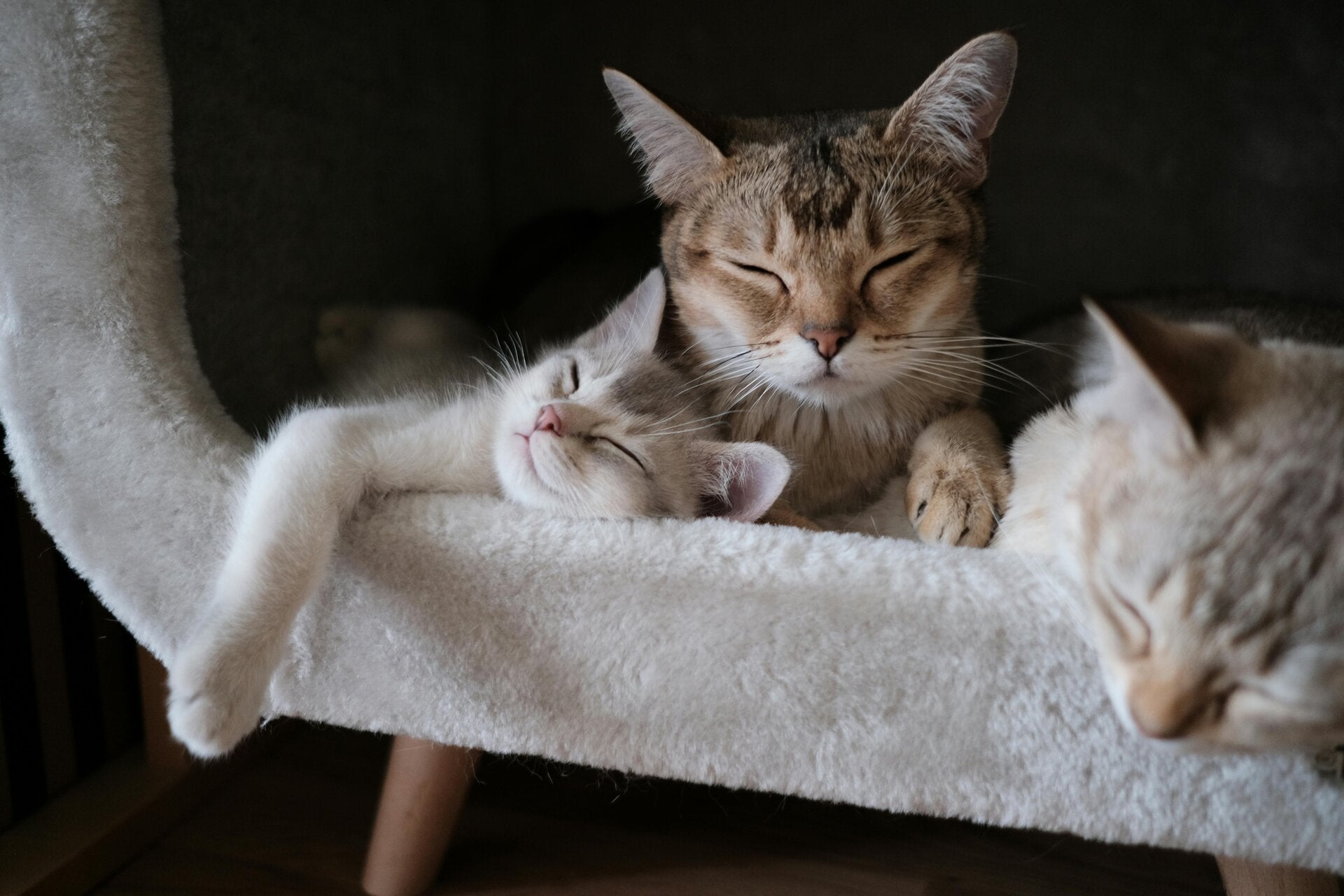
Biological Foundation: Genetic components and genetic diversity
Ethical companion animal breeding should start as the base of companion animal DNA and inherited genetics. As long as humans have been domesticating animals, humans have bred animals based on the most desired traits that are physically and behaviorally presented at a surface level to best meet human preferences for companion animals. While many breeds have been adapted to serve specific jobs or meet specific aesthetic goals its important to understand how genetics influence the outcome. For a long time, breeds could be morphologically identified, but where not held to a genetically based standard.
With an increase in animal breeding and cross-breeding, selecting animals should be based on inheritable traits, genetic compatibility, and maintaining the diversification of genetics. When breeding animals, routine genetic testing and medical history should be assessed. As the number of crossbred animals increases, inherited disorders are becoming more prevalent, which can impact the well-being of the animal and lead to undesirable traits even if the animal breed was chosen for its surface-level desirable traits. As well, due to the push for purebreds, genetic diversity has been lost, and insufficient animal history and genetic screening have led to inbreeding concerns within purebreds. Combating these genetic challenges is key to maintaining ethical animal breeding. Genetic testing has come a long way, and there are many options for genetic screening as well as geographical and DNA disease tests available. Genome-wide sequencing technologies are being utilized to improve genetic testing, and calculating for specific animal phenotypes can reduce an animals susceptibility to developing genetic abnormalities that negatively impact their quality of life.

Animal care practices: Applying the Five Domains
The five domains provide a model for the standard animal care that should he held to. It considers all factors included in animal welfare, which include nutrition, environment, health, behavior, and mental state. For breeders or owners, the standard of animal care practices should be met. Breeders especially have a role in ensuring a well-formulated care plan for an animal's early development.
An animal should be provided with sufficient access to both food and water, and species-specific nutritional requirements should be met. The animal also should have a clean, safe, and enriching environment that meets the needs of the species. While breeders do often select for desired behavioral traits, an animal should not be subjected to anything that causes them to act with fear. Behavioral traits can be partly genetic, but also can be conditioned through animal training and care. In canines, specifically, certain breeds often get the reputation of being high-energy, stubborn, or aggressive, so accessing care capabilities should be taken into account when breeding or owning animals to responsibly manage the care of an animal. All these welfare conditions can be incorporated into the mental well-being of an animal. If an animal is properly cared for, it will be reflected in its mental state, which impacts every aspect of the animal's life. Companion animals can be susceptible to mental disorders largely influenced by human care and interaction.
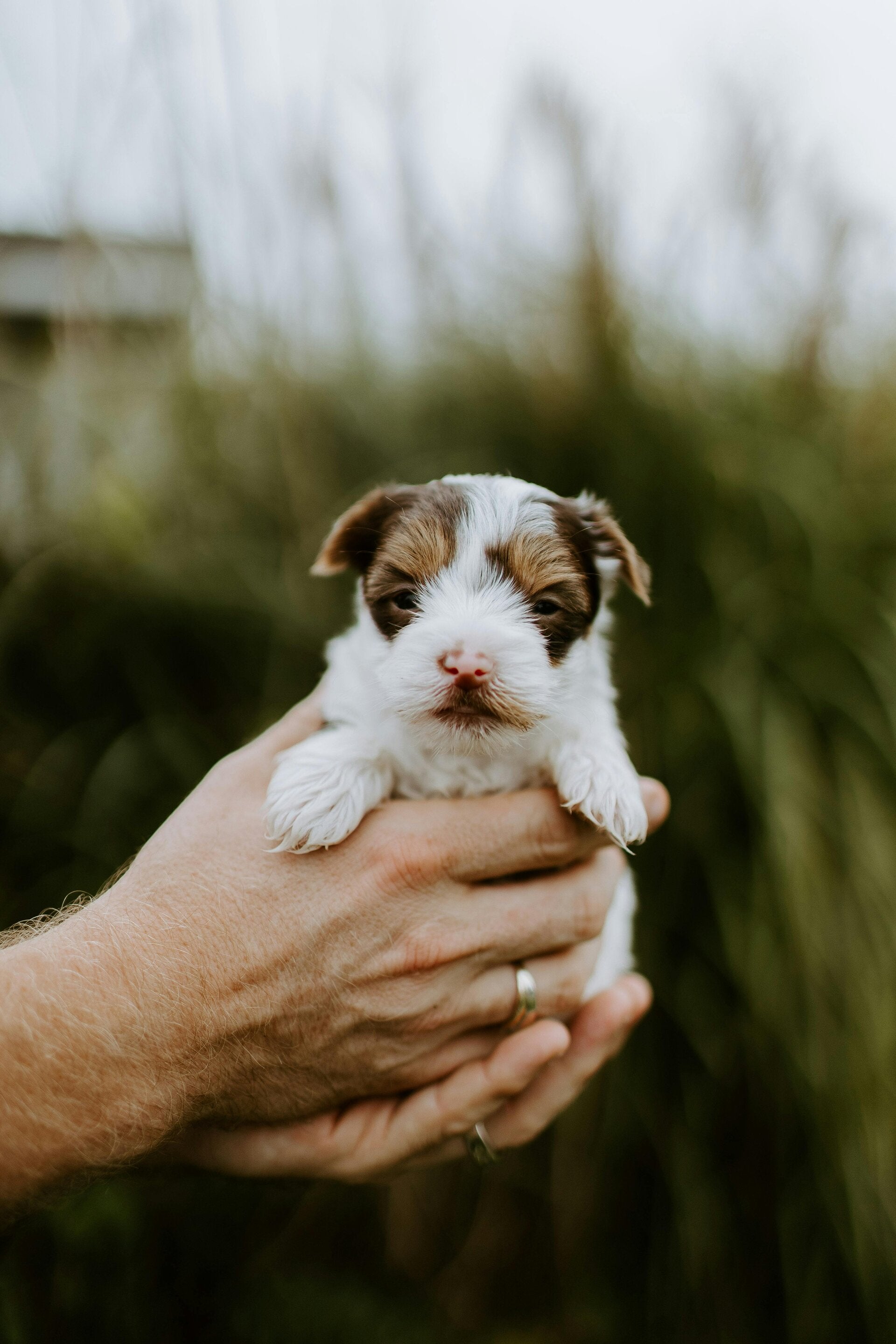
Breeder responsibility model: animal welfare and care
Breeders are responsible for the early stages of an animal's life as well as selecting animals for breeding. Any animal in a breeder's care should be taken care of appropriately, from supporting animal welfare to the welfare of its offspring. Genetic testing is highly recommended to have the most favourable outcome of traits and for the health of the prospective offspring. Veterinary oversight should be incorporated into an animal care plan at any stage of the breeding process. A veterinarian can aid with genetic screening, diet formulation, pre- and postnatal care of animals being bred, and care recommendations. The breeder is also responsible for providing a clean and adequate environment, as well as necessary enrichment. A responsible breeder is expected to research the breeds they are working with and consider the long-term requirements of animals. Breeders should also not perform unnecessary cosmetic procedures that are not deemed medically necessary for the animal to meet breed aesthetic expectations. As per the guidelines set by the Canadian Veterinary Medical Association (CVMA), companion animal breeding should be a collaboration between veterinary professionals and breeders to meet animal welfare standards.
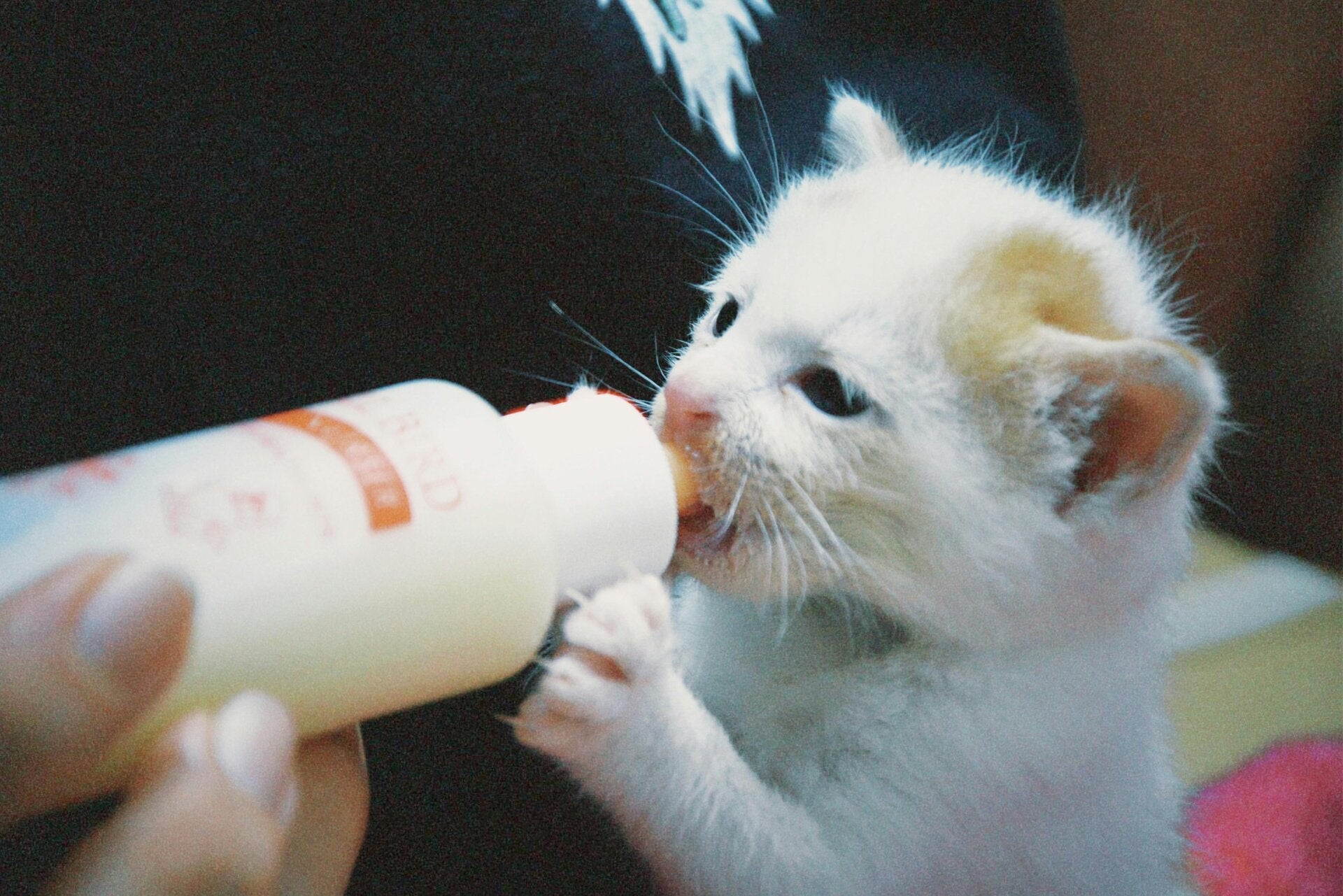
Owner responsibility model:
Prospective animal owners should be held to the same standard of care as the breeders. Owners should do research on different breeds to best assess their care capabilities and further educate themselves on animal care practices to ensure they are best caring for their animal. While breeders have the responsibility to uphold animal breeding standards, prospective owners should also research breeders and select a reputable and ethical breeder to avoid contributing to unethical animal breeding. Owners should also be prepared for the time commitment the specific breed and species requires and the amount of care it will need throughout its life. A responsible owner has the diligence to responsibly source their companion animals and educate themselves on the animal's needs. Animals are a lifelong commitment and education on their needs should take priority when choosing to adopt a companion animal.
"Understanding ethical breeding is not just about animal care; it's about respecting the very lives we bring into the world."
The Ethical Litter team, Truro, Nova Scotia