RESOURCES AND REFERENCES
(LARGE ANIMAL FOCUS)
Core Animal Welfare Frameworks (Used Across ALL Tabs)
Concepts of animal well-being and predicting the impact of procedures on experimental animals
Mellor, D., & Reid, C. (1994). Concepts of animal well-being and predicting the impact of procedures on experimental animals. https://www.wellbeingintlstudiesrepository.org/cgi/viewcontent.cgi?article=1006&context=exprawel/
Codes of practice for the care and handling of farm animals
National Farm Animal Care Council. (2026). Codes of Practice for the care and handling of farm animals. Www.nfacc.ca. https://www.nfacc.ca/codes-of-practice

Updating animal welfare thinking: moving beyond the "five freedoms" towards "a life worth living"
Mellor, D. (2016). Updating Animal Welfare Thinking: Moving beyond the “Five Freedoms” Towards “A Life Worth Living.” Animals, 6(3), 21. https://doi.org/10.3390/ani6030021
The 2020 five domains model: including human-animal interactions in assessments of animal welfare
Mellor, D. J., Beausoleil, N. J., Littlewood, K. E., McLean, A. N., McGreevy, P. D., Jones, B., & Wilkins, C. (2020b). The 2020 five domains model: Including human–animal interactions in assessments of animal welfare. Animals, 10(10), 1870. National Library of Medicine. https://doi.org/10.3390/ani10101870
TAB 1 - 2: Breeding Ethics, Welfare Trade-Offs
Rauw, W. M., Kanis, E., Noordhuizen-Stassen, E. N., & Grommers, F. J. (1998). Undesirable side effects of selection for high production efficiency in farm animals: a review. Livestock Production Science, 56(1), 15–33. https://doi.org/10.1016/s0301-6226(98)00147-x
Rauw, W. M., & Gomez-Raya, L. (2015). Genotype by environment interaction and breeding for robustness in livestock. Frontiers in Genetics, 6, 310. https://doi.org/10.3389/fgene.2015.00310
Rodenburg, T. B., & Turner, S. P. (2012). The role of breeding and genetics in the welfare of farm animals. Animal Frontiers, 2(3), 16–21. https://doi.org/10.2527/af.2012-0044


TAB 3: Ethical Sourcing & Welfare Indicators
National Farm Animal Care Council. (2023). Equine - Codes of Practice for the care and handling of horses. Www.nfacc.ca. https://www.nfacc.ca/codes-of-practice/equine
Fraser, D. (2008). Understanding animal welfare. Acta Veterinaria Scandinavica, 50(S1). https://doi.org/10.1186/1751-0147-50-s1-s1
Broom, D. M. (1986). Indicators of poor welfare. British Veterinary Journal, 142(6), 524–526. https://doi.org/10.1016/0007-1935(86)90109-0
TAB 4: Environmental & One Health Impact
Faunalytics. (2012, July 26). World Livestock 2011: Livestock In Food Security - Faunalytics. Faunalytics. https://faunalytics.org/world-livestock-2011-livestock-in-food-security/
World Organization for Animal Health. (2024). Codes and Manuals. WOAH - World Organisation for Animal Health. https://www.woah.org/en/what-we-do/standards/codes-and-manuals/
CCAC. (2009). CCAC guidelines on: the care and use of farm animals in research, teaching and testing Canadian Council on Animal Care in science. https://ccac.ca/Documents/Standards/Guidelines/Farm_Animals.pdf


TAB 5: Case Studies
Goodarzi, N., Zehtabvar, O., & Tohidifar, M. (2021). Applied anatomy of the skull in the Arabian horse: A computed tomographic, cross‐sectional, volumetric and morphometric study. Veterinary Medicine and Science, 7(6), 2225–2233. https://doi.org/10.1002/vms3.618
Pompermayer, E., Hoey, S., Ryan, J., David, F., & Johnson, J. P. (2023). Straight Egyptian Arabian skull morphology presents unique surgical challenges compared to the Thoroughbred: a computed tomography morphometric anatomical study. American Journal of Veterinary Research, 84(5). https://doi.org/10.2460/ajvr.22.11.0191
McGreevy, P., Berger, J., De Brauwere, N., Doherty, O., Harrison, A., Fiedler, J., Jones, C., McDonnell, S., McLean, A., Nakonechny, L., Nicol, C., Preshaw, L., Thomson, P., Tzioumis, V., Webster, J., Wolfensohn, S., Yeates, J., & Jones, B. (2018). Using the Five Domains Model to Assess the Adverse Impacts of Husbandry, Veterinary, and Equitation Interventions on Horse Welfare. Animals, 8(3), 41. https://doi.org/10.3390/ani8030041
REFERENCE LIST
(COMPANION ANIMAL FOCUS)
TAB 1: Breeding Ethics
Farrell, L. L., Schoenebeck, J. J., Wiener, P., Clements, D. N., & Summers, K. M. (2015). The challenges of pedigree dog health: approaches to combating inherited disease. Canine Genetics and Epidemiology, 2 (1). https://doi.org/10.1186/s40575-015-0014-9
Leroy, G. (2011). Genetic diversity, inbreeding and breeding practices in dogs: Results from pedigree analyses. The Veterinary Journal, 189(2), 177-182. https://doi.org/10.1016/j.tvjl.2011.06.016
Yeates, J., Bowles, D. (2017). Breeding and Selling of Companion Animals. In: Maher, J., Pierpoint, H., Beirne, P. (eds) The Palgrave International Handbook of Animal Abuse Studies. Palgrave Macmillan, London. https://doi.org/10.1057/978-1-137-43183-7_2


TAB 2 : Reality of backyard breeding
Calgary Humane Society. (2026). Breeding Companion Animals. https://www.calgaryhumane.ca/wp-content/uploads/2022/08/Breeding-Companion-Animals.pdf
McMillan, F. D., Duffy, D. L., & Serpell, J. A. (2011). Mental health of dogs formerly used as “breeding stock” in commercial breeding establishments. Applied Animal Behaviour Science, 135(1-2), 86–94. https://doi.org/10.1016/j.applanim.2011.09.006
Menor-Campos, D. J. (2024). Ethical Concerns about Fashionable Dog Breeding. Animals : An Open Access Journal From MDPI, 14(5), 756. https://doi.org/10.3390/ani14050756
Rooney, N. J. (2009). The welfare of pedigree dogs: Cause for concern. Journal of Veterinary Behavior, 4 (5), 180–186. https://doi.org/10.1016/j.jveb.2009.06.002
Psaradelis, S. (2009, December 7). How to Find an Ethical Dog Breeder: Vet-Approved Verification Guide. Dogster. https://www.dogster.com/lifestyle/how-to-find-an-ethical-dog-breeder
TAB 3: Ethical Sourcing & Welfare Indicators
BC SPCA. (2026). Position Statement on Responsible Companion Animal Sourcing. The British Columbia society for the Prevention of cruelty to animals (BC SPCA). https://spca.bc.ca/programs-services/leaders-in-our-field/position-statements/position-stat ement-on-responsible-companion-animal-sourcing/
CVMA. (2020). Provincial Abuse Reporting Requirements. Canadian Veterinary Medical Association.https://www.canadianveterinarians.net/veterinary-resources/provincial-abuse-reporting-requirements/


TAB 4: Environmental & One Health Impact
Gale, J. (2025, December 6). What is backyard breeding? - The Institute for Environmental Research and Education. The Institute for Environmental Research and Education. https://iere.org/what-is-backyard-breeding/
Grieve, H., Epp, T., Greer, A. L., Weese, J. S., & Grant, L. E. (2026). Companion animal health surveillance systems: An environmental scan. Preventive Veterinary Medicine, 247, 106749. https://doi.org/10.1016/j.prevetmed.2025.106749
Mitchell, C. (2022, December 20). How You Can Reduce the Animal Overpopulation. Worldanimalfoundation.org. https://worldanimalfoundation.org/advocate/companion-animals/params/post/1275970/animal-overpopulation-crisis
(2024). Understanding Backyard Dog Breeding: Risks & Solutions - Adopt, Don’t Shop.https://www.nopuppymillscanada.ca/backyard-dog/
TAB 5: Case Studies
Buzek, A., Serwańska-Leja, K., Zaworska-Zakrzewska, A., & Kasprowicz-Potocka, M. (2022). The Shape of the Nasal Cavity and Adaptations to Sniffing in the Dog (Canis familiaris) Compared to Other Domesticated Mammals: A Review Article. Animals : An Open Access Journal From MDPI, 12(4), 517. https://doi.org/10.3390/ani12040517
CVMA. (2026). Elective and Non-Therapeutic Veterinary Procedures for Cosmetic or Competitive Purposes (Formerly Cosmetic Alteration). Canadian Veterinary Medical Association. https://www.canadianveterinarians.net/policy-and-outreach/position-statements/statements/elective-and-non-therapeutic-veterinary-procedures-for-cosmetic-or-competitive-purposes-formerly-cosmetic-alteration/
Martell-Moran, N. K., Solano, M., & Townsend, H. G. (2017). Pain and adverse behavior in declawed cats. Journal of Feline Medicine and Surgery, 20(4), 280. https://doi.org/10.1177/1098612X17705044


Used throughout all
Davis, M. (2025). Exposing Backyard Breeders: The Hidden Dangers in Dog Breeding - Dog Wisdom Hub. Dog Wisdom Hub. https://dogwisdomhub.com/exposing-backyard-breeders-the-hidden-dangers-in-dog-breeding/
CVMA. (2020). Responsible Breeding of Companion Animals. Canadian Veterinary Medical Association. https://www.canadianveterinarians.net/policy-and-outreach/position-statements/statement s/responsible-breeding-of-companion-animals/
Government of Canada. (2003). Animal Pedigree Act - Secretary's manual. https://agriculture.canada.ca/en/sector/animal-industry/animal-genetics/resources-related-animal-pedigree-act/secretarys-manual
Veterinary & Professional Organizations
Canadian Veterinary Medical Association – animal welfare position statements
American Veterinary Medical Association – welfare & breeding guidelines
World Organization for Animal Health – international welfare standards
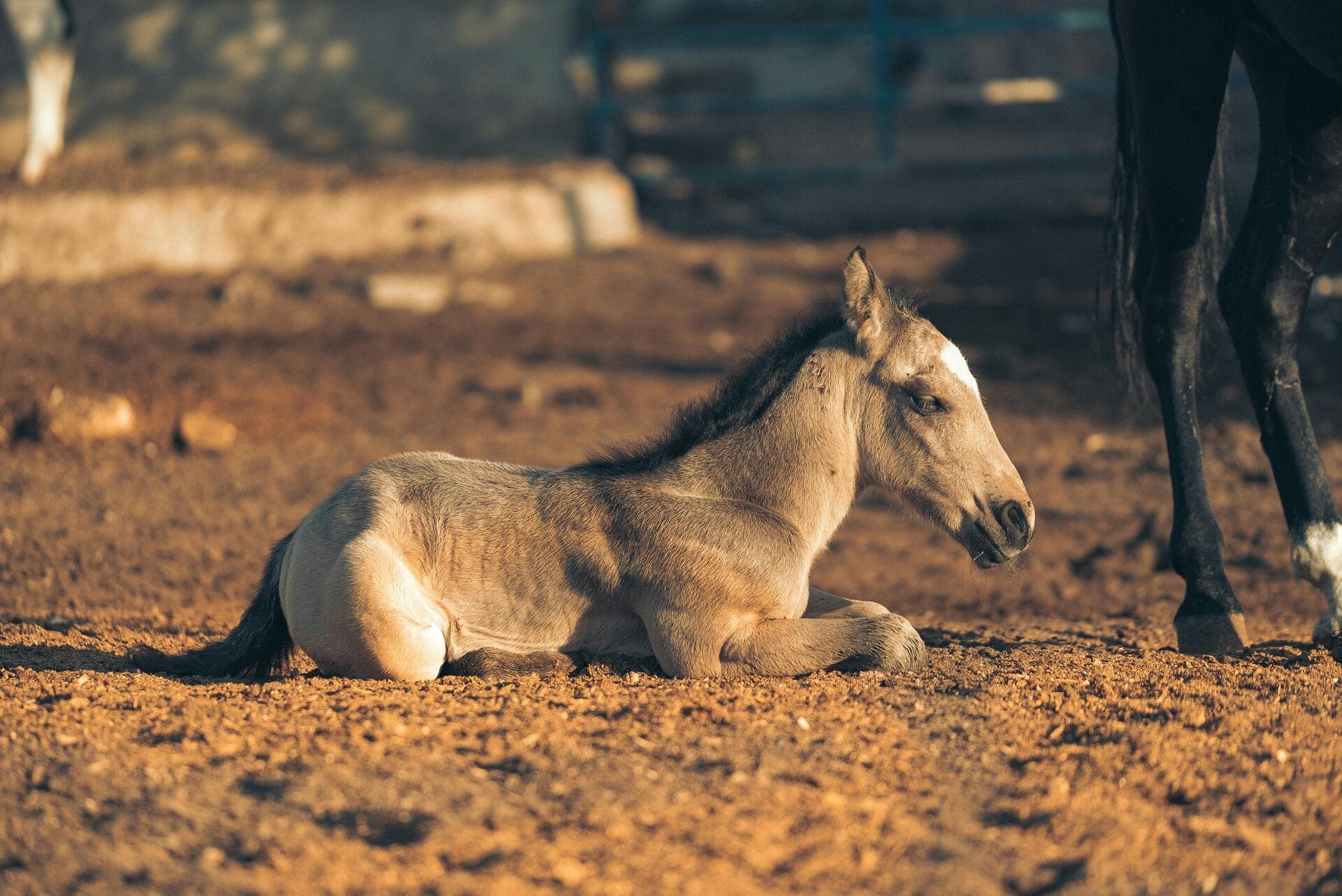
Images Used Throughout Tabs 1 - 5
https://www.fun-mooc.fr/en/news/genetics-and-genomics-the-secrets-of-dna/
https://www.reddit.com/r/cute/comments/yn3rkc/this_mother_cow_and_baby_calf/
https://grazingwithleslie.com/raising-goats/new-kid-protocol/
https://www.aasv.org/shap/issues/v5n6/v5n6p241.html
https://www.equinebehaviourist.co.uk/blog/2015/1/24/why-are-some-horses-aggressive
https://thehorse.com/1122044/arabian-horse-head-anatomy-can-make-common-surgeries-difficult/
COMPREHENSIVE GLOSSARY
Welfare Framework Terms

Five Domains Model
A holistic welfare assessment model consisting of nutrition, environment, health, behaviour, and mental state, where the first four domains influence the animal’s subjective experience

Five Freedoms
A foundational welfare framework outlining five essential needs: freedom from hunger, discomfort, pain, fear, and restriction of natural behaviour

Life Worth Living
A modern welfare concept emphasizing positive experiences, not just absence of suffering

One Health
A systems-based approach recognizing the interconnectedness of animal, human, and environmental health
Breeding and Genetics Terms

Genotype
The genetic makeup of an animal

Phenotype
Observable traits influenced by genetics and environment

Heritability
The proportion of trait variation attributable to genetics

Genotype-by-Environment Interaction
When genetic traits perform differently depending on environmental conditions

Functional Fitness
The ability of an animal to perform natural behaviours without pain or physiological limitation

Genetic Diversity
Variation in genetic traits within a population, essential for resilience and disease resistance
Veterinary & Physiological Terms

Homeostasis
The maintenance of internal physiological balance

Negative Energy Balance (NEB)
A metabolic state where energy output exceeds intake (common in high-producing dairy cattle)

Lameness
Impaired locomotion often associated with pain, injury, or structural issues

Metabolic Stress
Physiological strain resulting from high production demands

HPA Axis (Hypothalamic-Pituitary-Adrenal Axis)
The body’s central stress response system
Behaviour & Welfare Indicators

Stereotypic Behaviour
Repetitive, non-functional behaviours (e.g., crib-biting in horses) indicating poor welfare

Flight Zone
The distance at which an animal moves away from a perceived threat

Socialization (Early-Life Programming)
Exposure to social and environmental stimuli that shapes behavioural development

Enrichment
Environmental modifications that promote natural behaviours and positive mental states
Species-Specific / Applied Terms
FAMACHA Scoring
A method used in sheep/goats to assess anemia caused by parasites
PRRS (Porcine Reproductive & Respiratory Syndrome)
A major viral disease affecting pigs
HYPP (Hyperkalemic Periodic Paralysis)
A genetic disorder in horses affecting muscle function
PSSM (Polysaccharide Storage Myopathy)
A metabolic muscle disorder in horses
Digital Dermatitis
A painful hoof disease in cattle is associated with poor environmental conditions